

In many construction, infrastructure, and fabrication environments, steel components may already be installed or delivered to a jobsite without clear documentation of their corrosion protection method. Engineers, inspectors, contractors, and maintenance teams often need to determine whether a component has been hot dip galvanized in order to evaluate durability, maintenance requirements, or compatibility with other materials.
Recognizing a galvanized coating typically involves examining visual characteristics, coating behavior, and in some cases using inspection tools to verify the presence of a zinc layer. The American Galvanizers Association discusses this topic in its technical resource here.
This article expands on those concepts by reviewing common identification techniques used in the field and explaining how inspectors can distinguish galvanized steel from painted, plated, or bare steel surfaces.
Visual Characteristics of Hot Dip Galvanized Steel
The most common way to identify galvanized steel is through visual inspection of the coating.
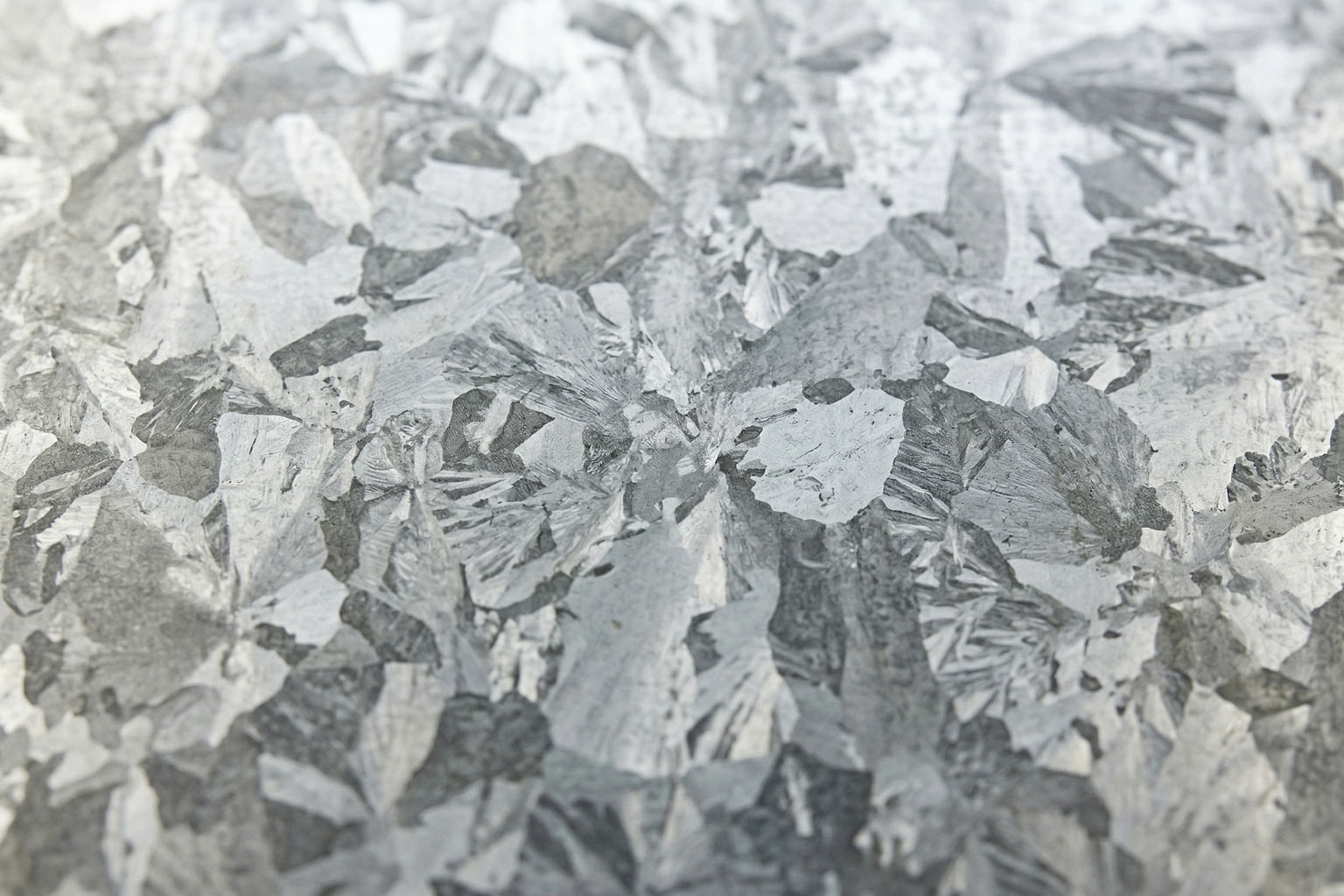
Hot dip galvanizing produces a metallurgically bonded zinc coating that typically exhibits distinct surface characteristics.
Common visual indicators include:
- A silver gray metallic appearance
- Visible crystalline patterns known as spangle
- Matte gray areas where alloy layers dominate the surface
- Slight texture variations across the coating
Because hot dip galvanizing is a metallurgical reaction rather than a paint or plating process, the coating often displays natural variations in tone or brightness.
These characteristics often make galvanized steel distinguishable from painted or plated finishes.
Coating Texture and Surface Pattern
Galvanized steel frequently exhibits a slightly textured surface due to the formation of zinc iron alloy layers during the galvanizing process.
Surface features may include:
- Subtle grain patterns
- Small crystallized regions
- Variations in brightness across the component
These textures are created as the molten zinc solidifies and reacts with the steel substrate.
Painted steel typically has a smooth, uniform finish, which helps differentiate it from galvanized surfaces.
Edge and Corner Coverage
One advantage of hot dip galvanizing is the complete coverage of complex geometries.
Because components are immersed in molten zinc, the coating naturally covers:
- Edges
- Corners
- Weld seams
- Internal surfaces
These areas often receive thicker coating buildup due to the way molten zinc flows and solidifies.
In contrast, painted or plated coatings may appear thinner or less uniform on edges and corners.
Thickness Measurement
When visual inspection alone cannot confirm galvanizing, inspectors may use coating thickness measurement tools.
Magnetic coating thickness gauges are commonly used to determine whether a zinc coating is present and to measure its thickness.
Typical galvanized coating thicknesses vary depending on steel thickness but generally fall within ranges specified by ASTM galvanizing standards.
Thickness measurement can help confirm that the coating is consistent with hot dip galvanizing rather than thin electroplated zinc.
Distinguishing Galvanizing from Zinc Plating
Zinc plating and hot dip galvanizing both use zinc for corrosion protection, but the coatings differ significantly in thickness and appearance.
Key differences include:
Hot Dip Galvanizing:
- Thicker zinc coating
- Matte or textured appearance
- Long term corrosion protection for structural steel
Zinc Plating:
- Thin electroplated coating
- Smooth and shiny finish
- Typically used for small hardware components
Because plated coatings are much thinner, they may appear brighter and more uniform than galvanized surfaces.
Identifying Galvanized Steel in Older Installations
In older structures, galvanized steel may develop a protective zinc patina that changes the surface color over time.
This patina may appear:
- Light gray
- Dark gray
- Slightly chalky
Although the surface appearance evolves, the underlying zinc coating remains bonded to the steel and continues to provide corrosion protection.
Inspectors should evaluate the coating thickness and surface condition rather than relying solely on color.
When Documentation Is Unavailable
In situations where documentation is missing, combining several inspection methods can help confirm whether steel has been galvanized.
A practical identification approach may include:
- Visual examination of coating texture
- Thickness measurement using magnetic gauges
- Inspection of edges and weld areas
- Comparison with known galvanized samples
These steps provide reliable evidence of whether galvanizing has been applied.
Technical Assistance for Galvanized Steel Projects
Understanding whether steel has been galvanized is important when evaluating corrosion protection, planning maintenance, or determining compatibility with coatings or repairs.
If you need help identifying galvanized coatings, reviewing inspection results, or determining appropriate corrosion protection strategies, our team can assist with technical evaluation.
For project support or consultation, please reach out through our contact page.
Proper identification of galvanized steel ensures that maintenance, repairs, and project planning align with the actual corrosion protection system in place.
Hot dip galvanized steel can usually be identified through visual inspection of its characteristic zinc coating, surface texture, and edge coverage. When additional confirmation is required, coating thickness measurement and inspection tools provide reliable verification. Understanding these identification methods allows engineers and inspectors to properly evaluate galvanized components in the field.
Frequently Asked Questions About Identifying Galvanized Steel
What does galvanized steel look like?
Hot dip galvanized steel typically has a silver gray metallic appearance with visible crystallized patterns or matte gray areas depending on steel chemistry and cooling conditions.
Can galvanized steel change color over time?
Yes. Over time, zinc develops a protective patina that may darken or appear chalky. This is a normal process and does not indicate coating failure.
How can inspectors confirm a galvanized coating?
Inspectors often use magnetic coating thickness gauges to measure the zinc layer and confirm that it matches expected thickness ranges for hot dip galvanizing.
Is galvanized steel shiny like chrome or plated metal?
Not usually. Galvanized coatings often appear matte or lightly textured rather than highly polished.
Can paint be mistaken for galvanizing?
Sometimes painted steel may appear similar in color, but paint coatings typically have a smooth surface and lack the crystalline patterns associated with galvanized coatings.
How is galvanizing different from zinc plating?
Hot dip galvanizing produces a thicker, metallurgically bonded zinc coating designed for structural corrosion protection. Zinc plating creates a much thinner electroplated layer.
Can galvanized coatings be identified after years of service?
Yes. Even after years of exposure, coating thickness measurements and surface characteristics can help confirm whether steel was galvanized.
Why is identifying galvanized steel important?
Knowing whether steel has been galvanized helps engineers determine maintenance requirements, corrosion resistance expectations, and compatibility with repairs or coatings.
