

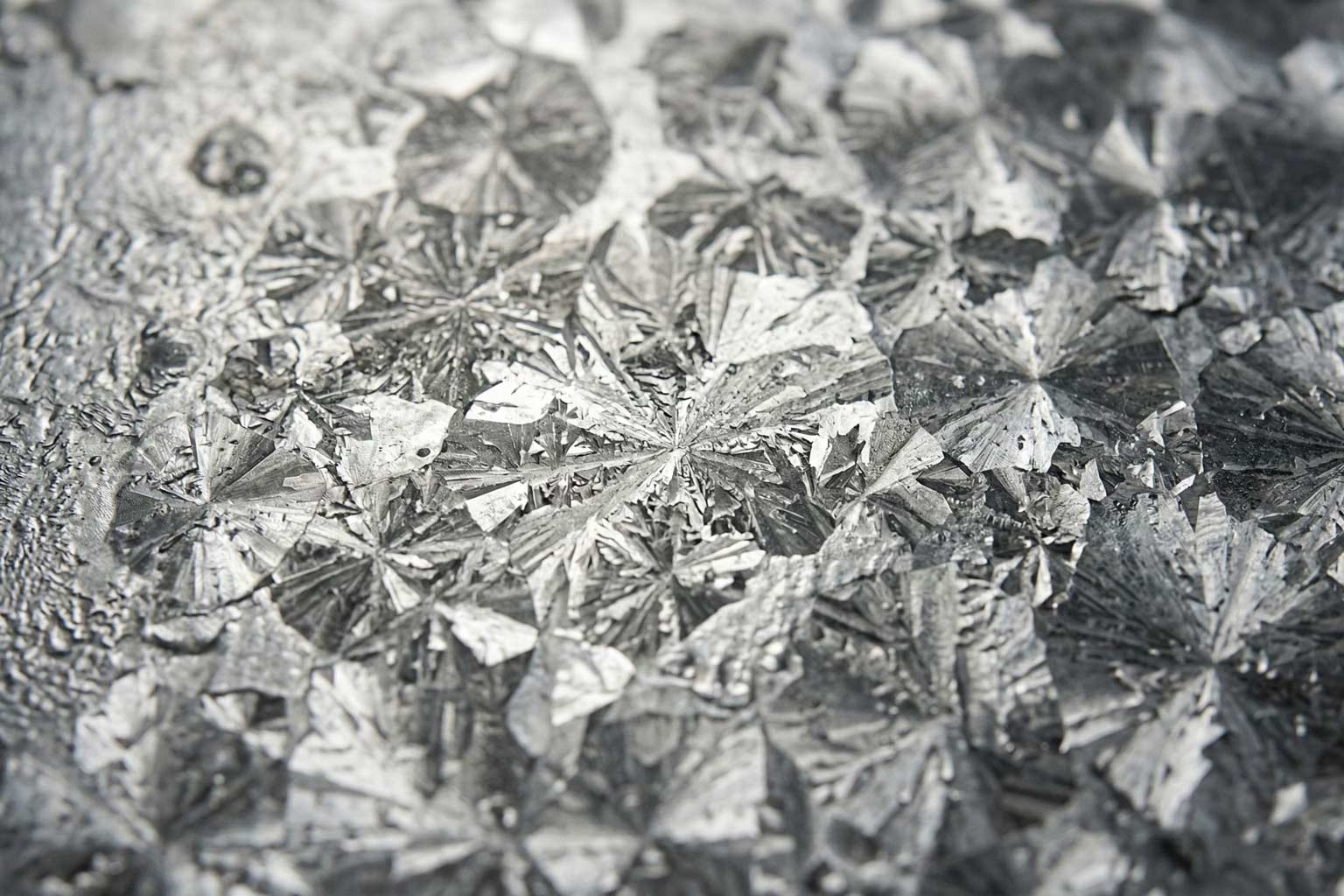
Steel components are often assumed to be galvanized based solely on appearance. However, not all zinc coated steel is produced by the same process, and not all gray metallic finishes indicate true hot dip galvanizing. For engineers, inspectors, contractors, and property owners, correctly identifying whether steel has been hot dip galvanized is critical for evaluating corrosion protection, compliance, and long term performance.
Building on that foundation, this article expands into deeper inspection principles, coating characteristics, and verification strategies used in professional practice.
Understanding What Hot Dip Galvanizing Actually Produces
Hot dip galvanizing is a metallurgical process. Clean steel is immersed into molten zinc, forming a series of zinc iron alloy layers bonded to the base metal. The outermost layer consists primarily of zinc, while underlying layers are intermetallic alloys.
This process produces:
- A relatively thick coating compared to electroplating
- A metallurgically bonded surface, not simply a surface deposit
- Gradual coating thickness variation depending on steel chemistry and thickness
- A matte gray to silver finish that may exhibit crystalline patterns
Because the coating is formed through diffusion, it cannot be peeled off like paint.
Understanding this structural difference is key to identification.
Visual Indicators of Hot Dip Galvanized Steel
Surface Appearance
Hot dip galvanized steel often has a matte gray or slightly shiny metallic appearance. The surface may display:
- Spangle patterns, depending on cooling conditions
- Crystalline grain structure
- Slight thickness buildup at edges
- Runs or drainage marks
Electroplated zinc, by contrast, typically appears smoother, more uniform, and thinner.
Edge and Corner Coating
Hot dip galvanizing provides full coverage including edges and corners, often with slightly thicker coating at these areas due to natural metallurgical growth.
Painted surfaces frequently show thinner coverage at sharp edges.
Surface Texture
The texture of galvanized steel may feel slightly rough compared to painted steel. Variations are common and acceptable under ASTM A123 as long as coating thickness and continuity are achieved.
Appearance alone, however, is not always definitive.
Coating Thickness Measurement
One of the most reliable methods for confirming galvanizing is non destructive thickness testing using a magnetic gauge.
ASTM A123 specifies minimum coating thickness values based on steel category and thickness. Hot dip galvanized coatings are significantly thicker than electroplated zinc coatings.
If thickness readings are within typical ASTM A123 ranges, it strongly indicates true hot dip galvanizing.
Thin coatings measuring only a few microns are more consistent with electroplating rather than immersion galvanizing.
Professional inspection should always include thickness verification rather than relying solely on visual assessment.
Metallurgical Bond Confirmation
In some cases, laboratory testing may be performed to examine coating cross sections.
Hot dip galvanized steel will show distinct zinc iron alloy layers when viewed under magnification. Electroplated coatings lack these alloy layers.
This method is generally used for dispute resolution or failure investigation rather than routine inspection.
Documentation and Specification Review
Another critical step in confirming galvanizing is reviewing project documentation.
Verify:
- Whether ASTM A123 or A153 was specified
- Whether galvanizing certificates were provided
- Whether inspection reports include coating thickness data
Proper documentation supports traceability and compliance verification.
If documentation is missing or unclear, physical testing may be required.
Common Misidentifications
Steel may be mistaken as galvanized when it is actually:
- Zinc plated
- Painted with zinc rich coating
- Weathered galvanized steel that has dulled over time
- Aluminum coated steel
Each of these materials performs differently in corrosion environments.
Accurate identification ensures appropriate maintenance and repair decisions.
When to Consult a Galvanizing Expert
In complex situations, such as field evaluation of existing structures or when coating condition is in question, professional guidance may be necessary.
We routinely assist engineers and contractors in evaluating galvanized coatings, reviewing specification compliance, and clarifying performance expectations. If you need assistance determining whether steel has been properly hot dip galvanized, please contact us through our contact page.
Accurate identification protects both project integrity and long term durability.
Hot dip galvanized steel can often be identified visually, but definitive confirmation should include coating thickness measurement and review of specification documentation. The metallurgical bond created during immersion distinguishes true galvanizing from plating or painting. Proper evaluation ensures correct maintenance planning and performance expectations.
For the original reference article, review:
https://galvanizeit.org/knowledgebase/article/is-it-galvanized
If you require expert evaluation or technical clarification, we are available to answer any questions through our contact page.
Frequently Asked Questions About Identifying Galvanized Steel
How can I tell if steel is hot dip galvanized or just painted?
Painted steel typically has a uniform surface film and may show brush or spray patterns. Hot dip galvanized steel forms a metallurgically bonded zinc coating that often shows crystalline patterns and thicker coverage at edges. Thickness testing with a magnetic gauge provides confirmation.
What thickness should hot dip galvanized steel have?
Thickness depends on steel category and thickness under ASTM A123. Structural steel typically has coatings measured in mils or tens of microns, significantly thicker than electroplated coatings.
Can galvanized steel be shiny or dull?
Yes. Fresh galvanizing may appear shiny with visible spangle, while weathered galvanizing develops a dull gray patina as zinc corrosion products stabilize.
Is zinc plated steel the same as hot dip galvanized steel?
No. Zinc plating produces a much thinner electrochemical coating without the metallurgical alloy layers formed during hot dip galvanizing. Performance and service life differ significantly.
How can I confirm galvanizing compliance with ASTM A123?
Review galvanizing certificates, verify coating thickness using a calibrated magnetic gauge, and confirm specification references in project documentation.
Does appearance alone guarantee galvanizing?
No. Appearance can be misleading. Thickness measurement and documentation review provide more reliable verification.
Can hot dip galvanized steel be repaired if damaged?
Yes. Localized damage may be repaired using approved zinc rich materials within ASTM limits, but full immersion galvanizing provides the most robust metallurgical bond.
Why is accurate identification important?
Proper identification ensures appropriate corrosion expectations, maintenance planning, and specification compliance for structural performance.
