Wye Truss Bridge
The Challenge, The Solution, The Results
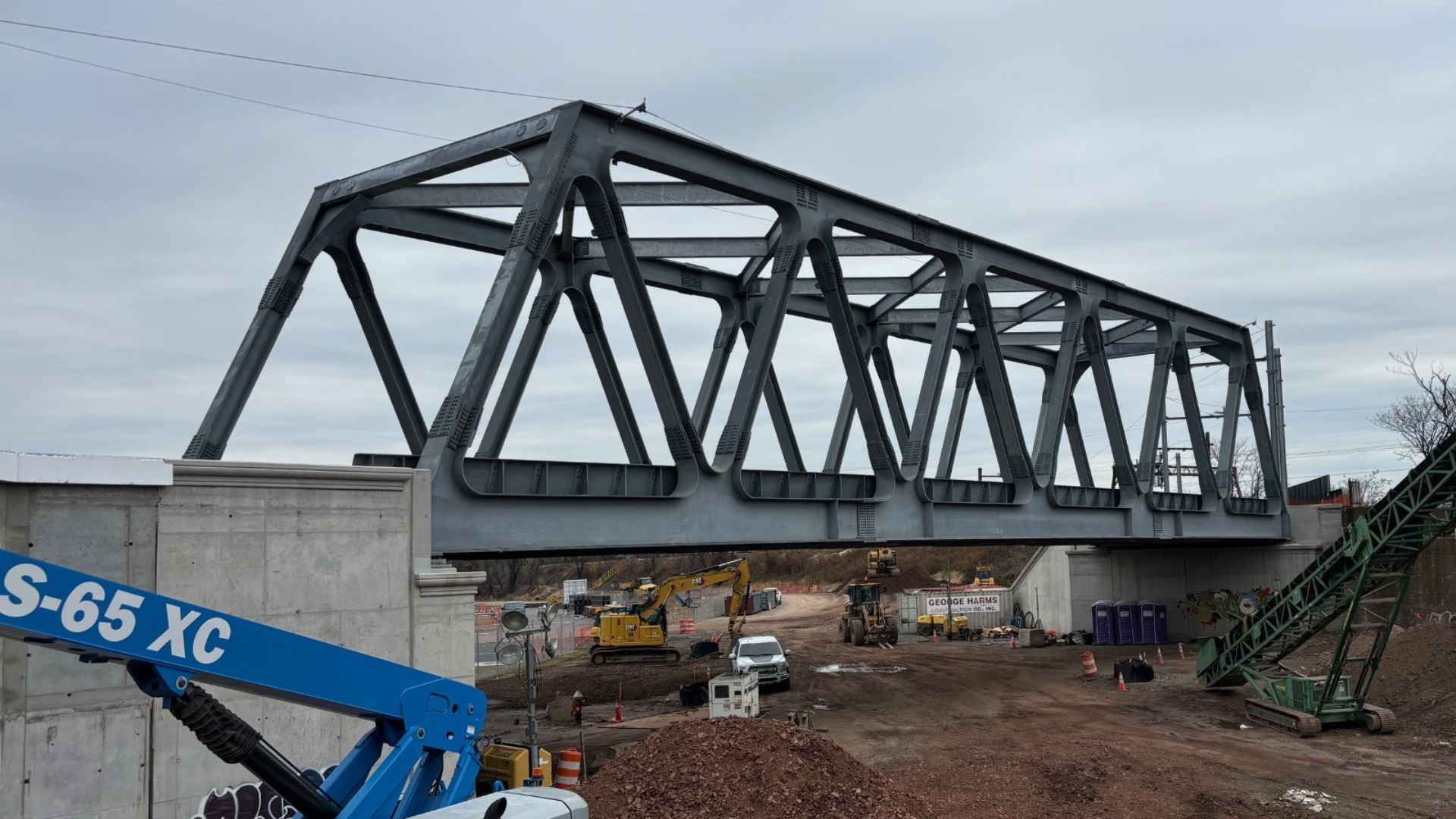
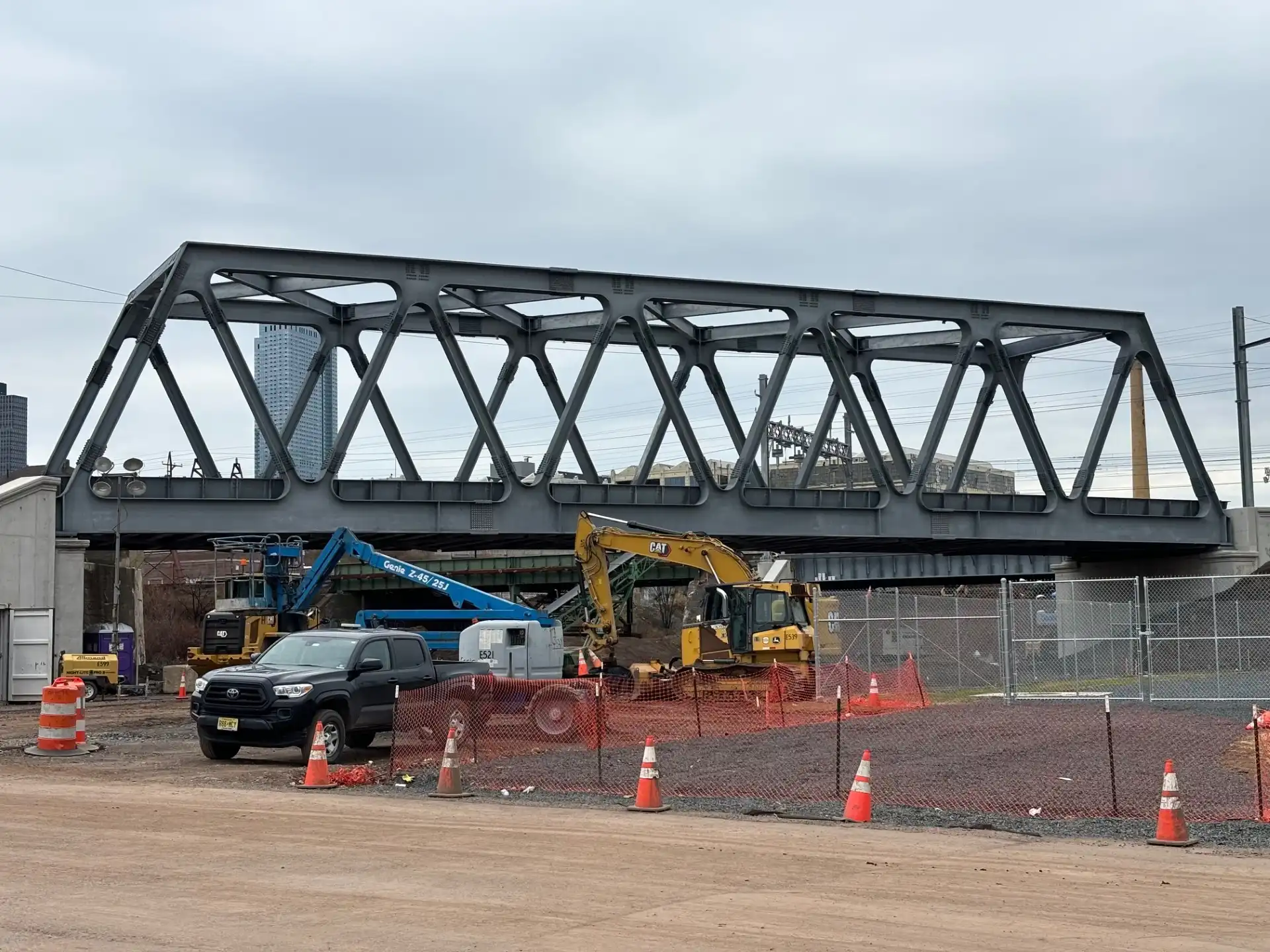
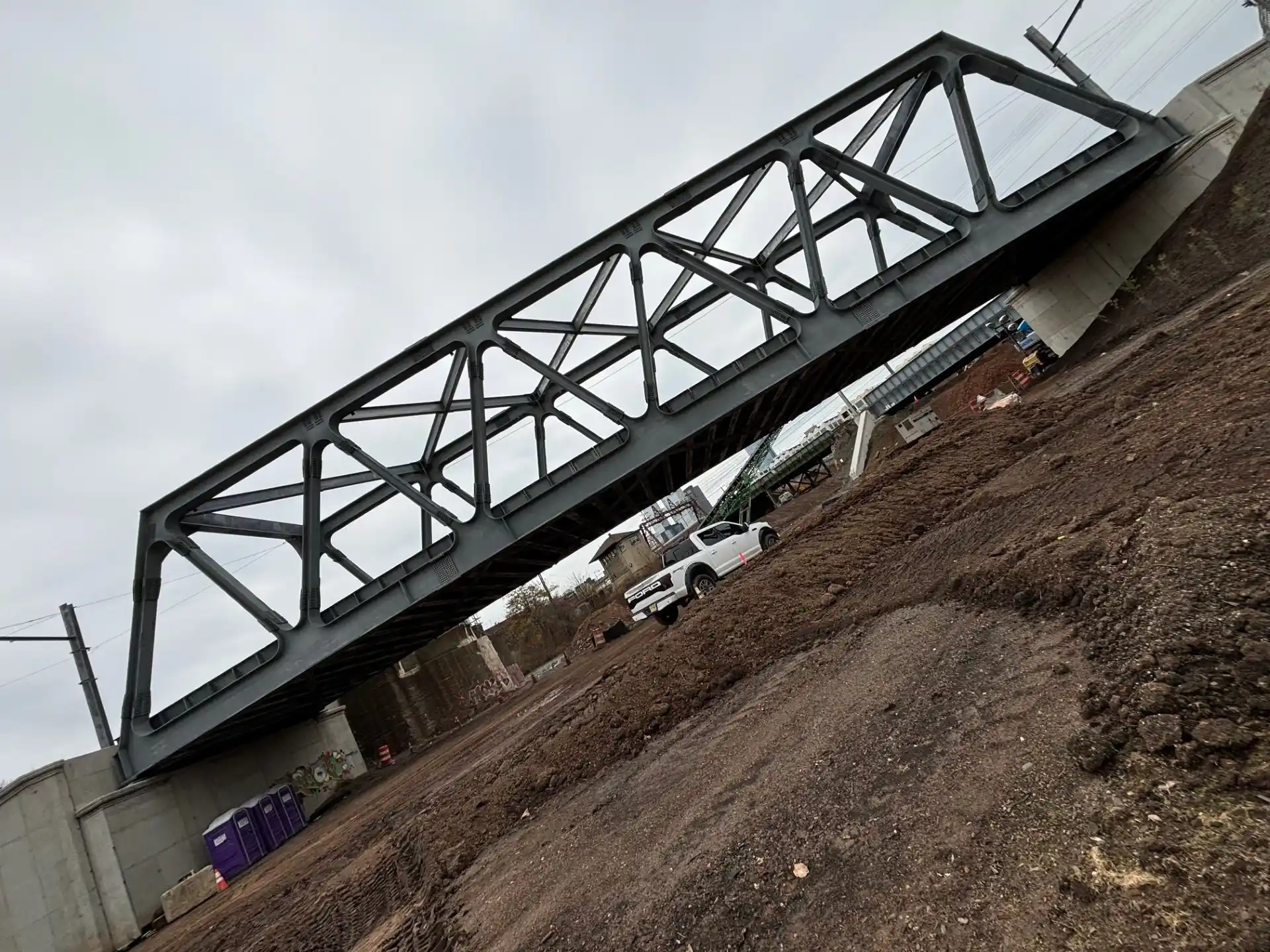
The NJ Transit Wye Track Bridge, located between Van Keuren Avenue and St. Paul’s Avenue in Jersey City, is undergoing a full reconstruction as part of the New Jersey Department of Transportation’s Route. This corridor is a critical freight and commuter transportation hub, and the aging railroad structures in this area- including the Morristown Line Bridge and the Wye Track Bridge- require replacement to improve structural integrity, enhance safety, and accommodate future transportation demands.
The project involves demolishing and rebuilding the existing NJ Transit wye-configuration rail bridge that spans West Side Avenue. This work requires the long-term closure of West Side Avenue from Van Keuren Avenue to St. Paul’s Avenue, enabling contractors to safely perform steel, concrete, and bearing assembly installations. The bridge reconstruction supports NJDOT’s larger plan to create a new two-lane “New Road”, designed to improve truck flow, modernize local roadway geometry, and reduce congestion along the busy corridor.
Wye Track Bridge will provide NJ Transit with a more resilient rail asset while supporting regional freight circulation and long-term transportation planning in Jersey City’s industrial district.
During the initial planning phase, the NJ Transit did an analysis of the bridge and concluded that the bridge will need to be replaced due to high frequency of travel and to help improve the safety and structural integrity of the 144’ bridge. Hot dip galvanizing was chosen because it gave a solution for long term durability and protection from corrosion of the bridge which will help protect the bridge due to the industrial environment in the local area.
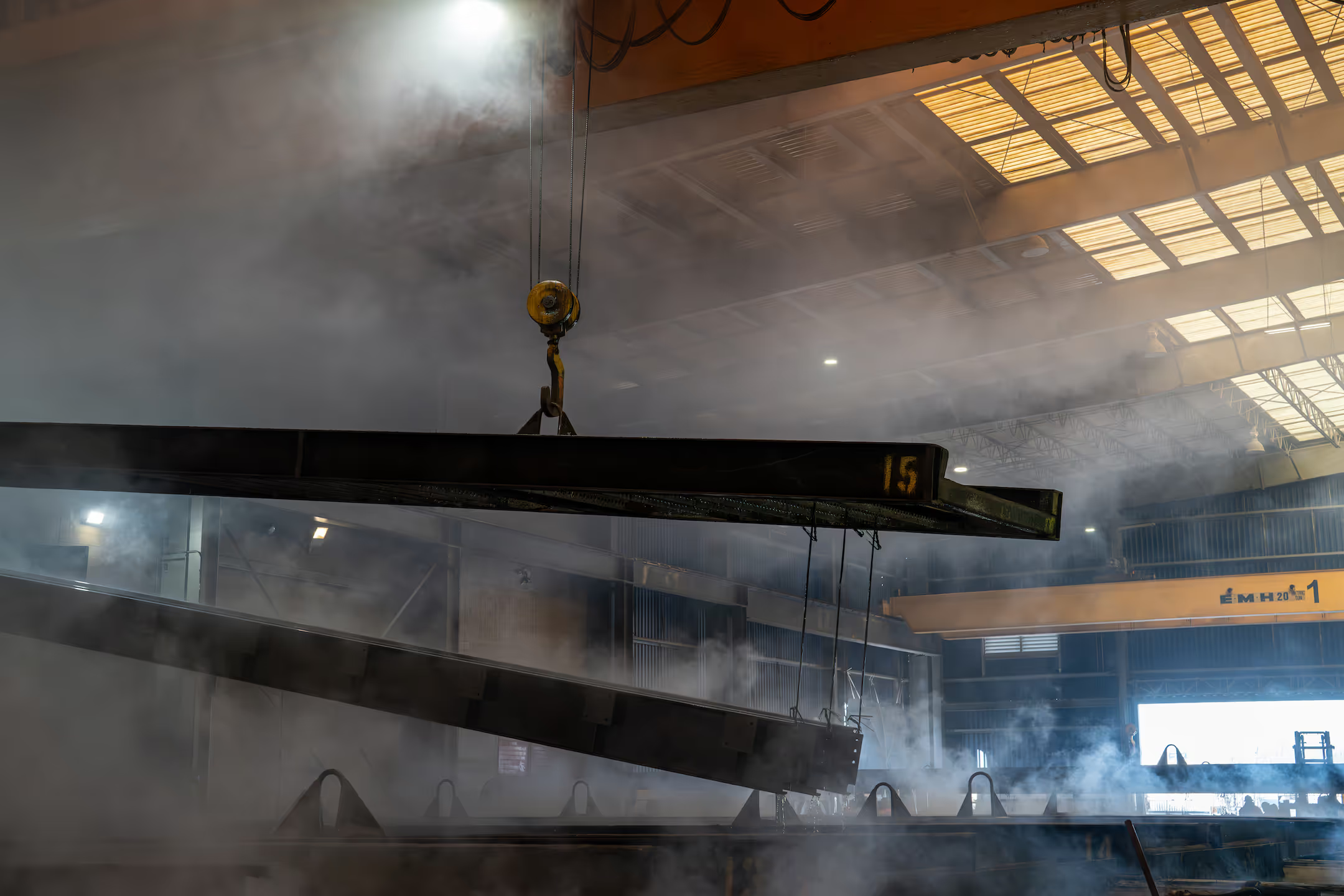
Due to the tight space at the job site in Jersey City many of the pieces with plate assemblies couldn’t be assembled and bolted in the field. During the initial planning phase of the project, it was decided between the fabricator and the GC that the bolted-on connection plates will need to happen off site. To help save time and money, the galvanizer assisted in bolting on the plates to the floor beams in their yard. This allowed the fabricator and GC to erect the bridge in a timely manner without much downtime and delays.
The NJ Transit Wye Track Bridge, located between Van Keuren Avenue and St. Paul’s Avenue in Jersey City, is undergoing a full reconstruction as part of the New Jersey Department of Transportation’s Route improvement program. This corridor serves as a critical freight and commuter transportation hub, and the aging railroad infrastructure in the area including the Morristown Line Bridge and the Wye Track Bridge has reached the end of its service life. Replacement of these structures is necessary to improve structural integrity, enhance public safety, and accommodate future transportation demands.
The project includes the demolition and reconstruction of the existing NJ Transit wye-configuration rail bridge spanning West Side Avenue. To safely complete steel erection, concrete placement, and bearing assembly installations, West Side Avenue will be closed long-term between Van Keuren Avenue and St. Paul’s Avenue. The reconstructed bridge supports NJDOT’s broader plan to create a new two-lane “New Road,” designed to improve truck circulation, modernize roadway geometry, and reduce congestion throughout this heavily traveled industrial corridor.
Once completed, the Wye Track Bridge will provide NJ Transit with a more resilient and reliable rail asset while supporting regional freight movement and long-term transportation planning within Jersey City’s industrial district.
During the initial planning phase, NJ Transit conducted a detailed structural analysis and determined that the existing 144-foot bridge required replacement due to its high frequency of use and the need to improve overall safety and structural performance. To ensure long-term durability in the corrosive industrial environment, a dual corrosion protection strategy was selected utilizing both hot-dip galvanizing and metallizing in tandem. Primary steel members were hot-dip galvanized to create a metallurgically bonded zinc coating that delivers robust, uniform corrosion protection, exceptional abrasion resistance, and extended service life with minimal maintenance requirements.
In areas where galvanizing alone was not feasible due to fabrication sequencing, connection complexity, or field-installed components, metallizing was applied to provide supplemental zinc protection. Used together, hot-dip galvanizing and metallizing created a continuous, compatible zinc-based corrosion protection system across the entire structure. This combined approach ensured consistent long-term performance, protected critical connection areas, and reduced the need for future repairs, ultimately lowering lifecycle costs and minimizing service disruptions to rail operations.
Due to the confined jobsite conditions in Jersey City, many plate assemblies could not be assembled and bolted in the field. Early in the planning process, the fabricator and GC determined that bolted connection plates would need to be installed off-site. To help streamline construction and reduce both time and cost, the galvanizer assisted by bolting the connection plates to the floor beams in their yard prior to delivery. This off-site preparation allowed the fabricator and general contractor to efficiently erect the bridge with minimal downtime, helping keep the project on schedule while maintaining high standards of quality and safety.
Every Detail Tells Our Story
Dive deeper into this project with exclusive images that capture the craftsmanship, precision, and galvanizing expertise that brought this vision to life.

Protecting America's Infrastructure One Dip at a Time
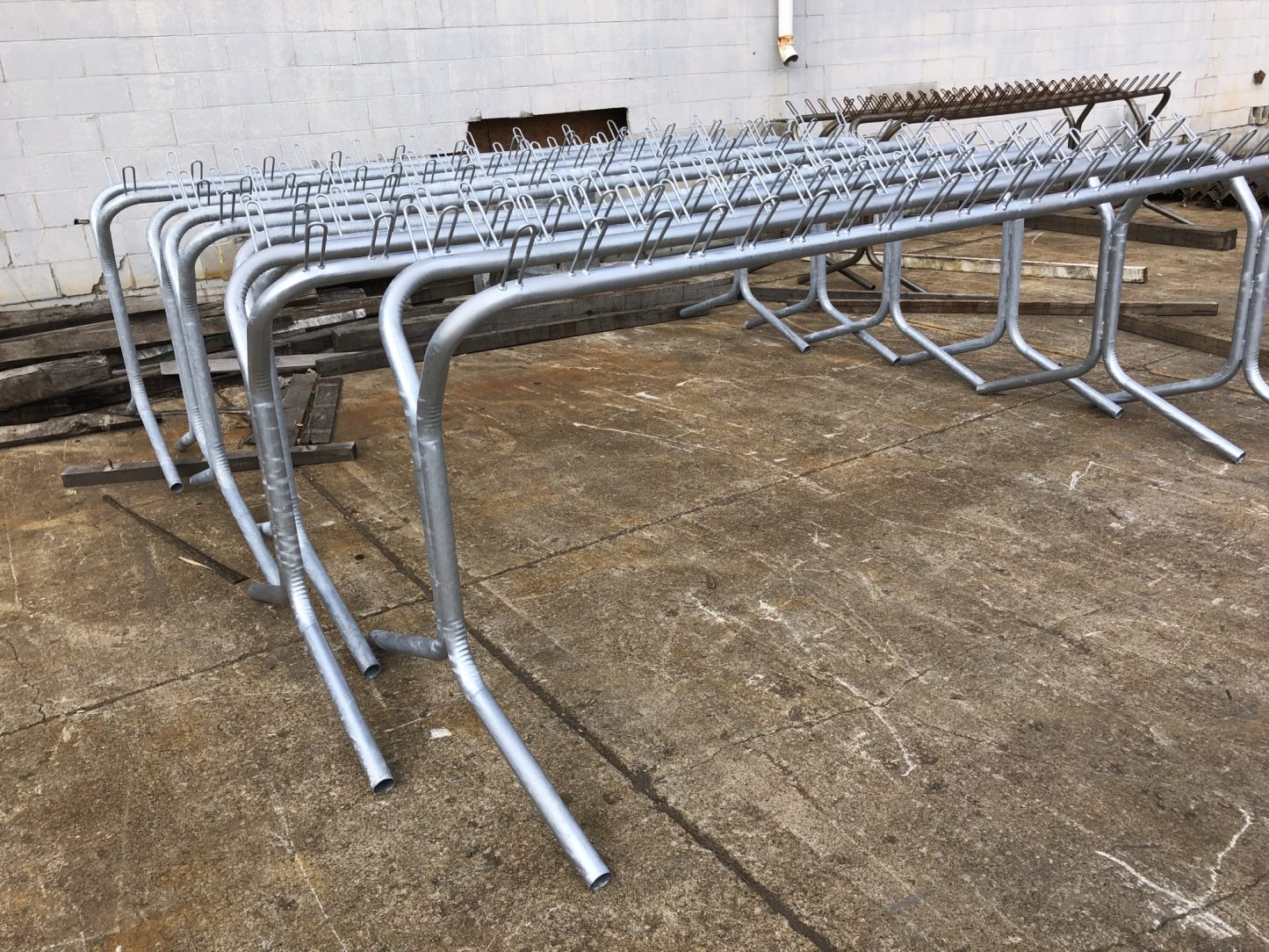
Pine Knob Ski Resort
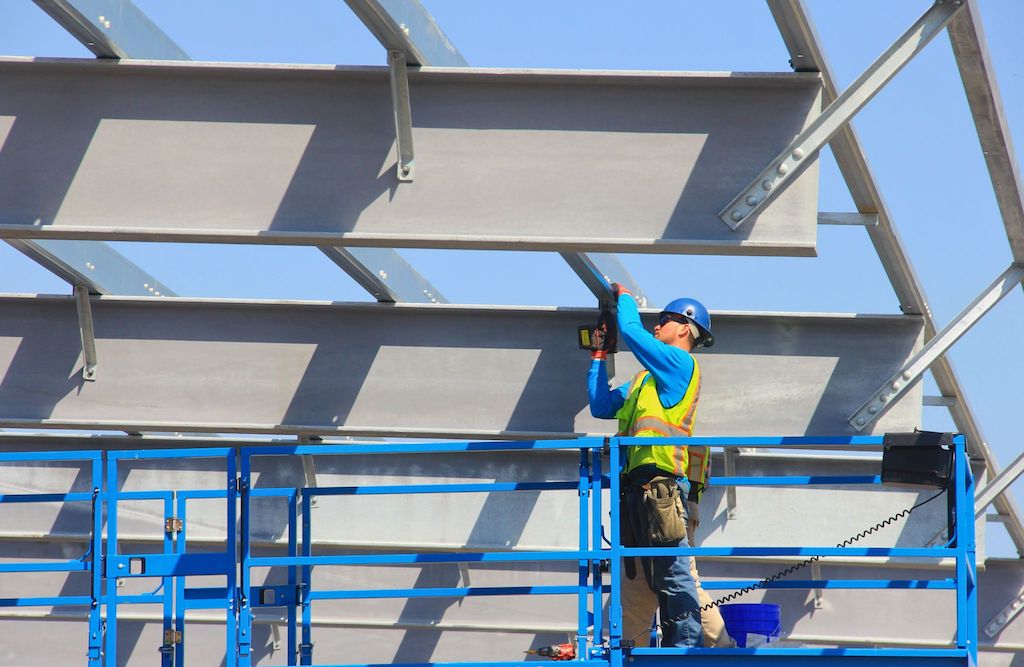
Farmingdale High School Carport
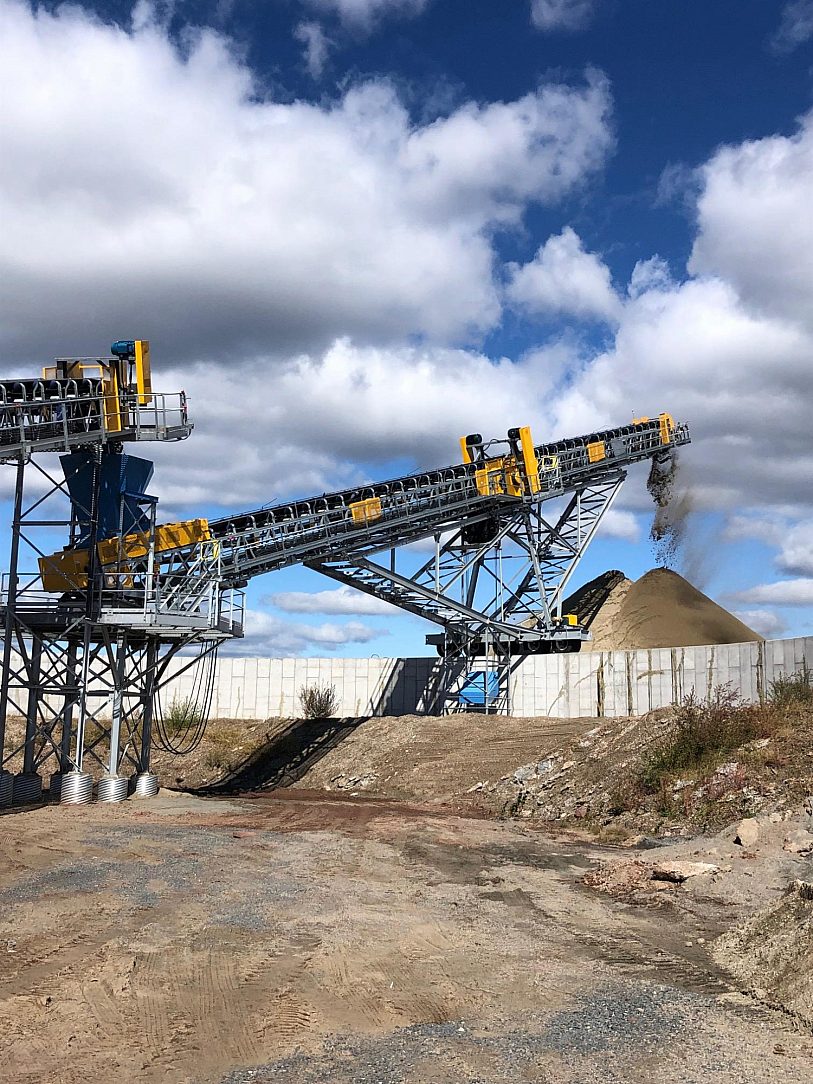
North American Aggregates
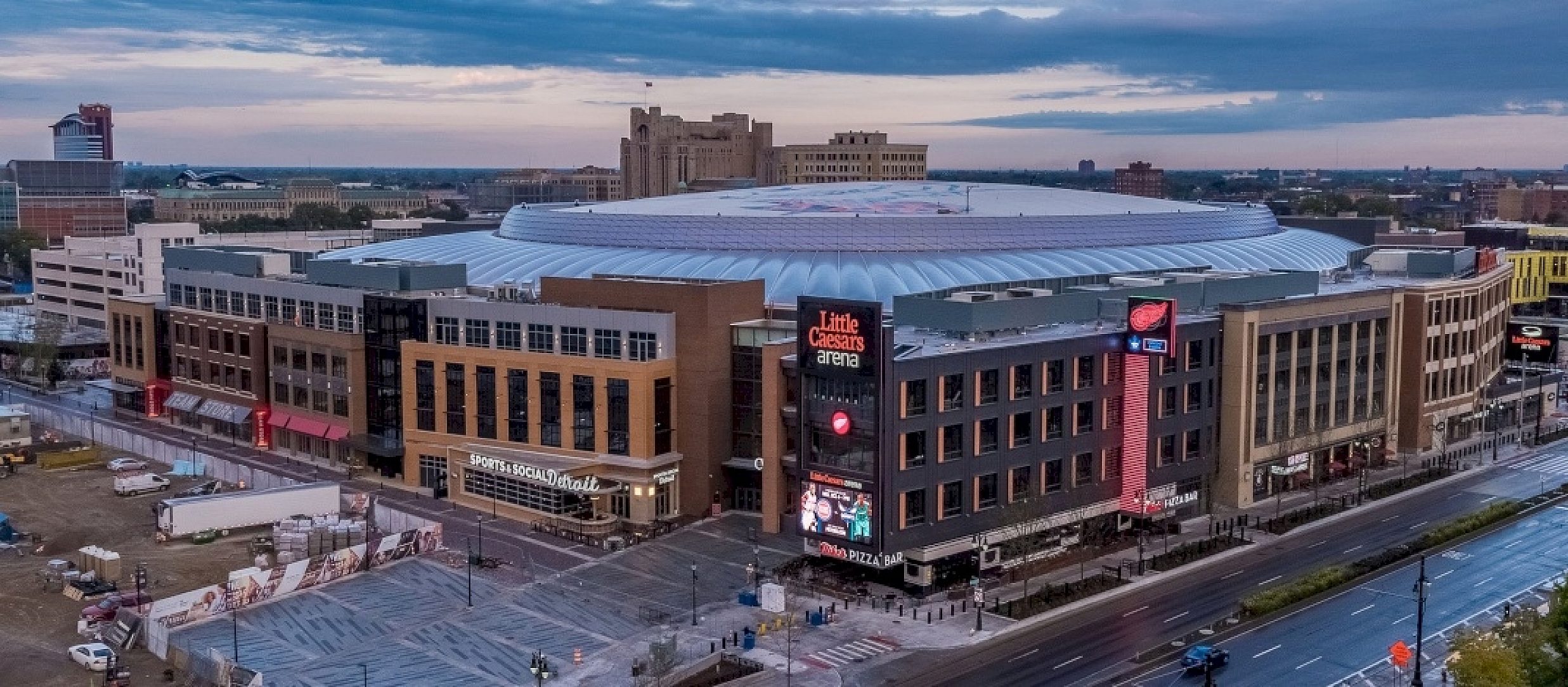
Little Caesars Detroit Red Wings Arena
Ready to Transform Your Project with Industry-Leading Galvanizing?
Don't let corrosion compromise your investment. Partner with V&S Galvanizing for proven protection that outlasts the competition. Our expert team delivers custom solutions, rapid turnaround, and nationwide reliability that keeps your project on schedule and on budget.