

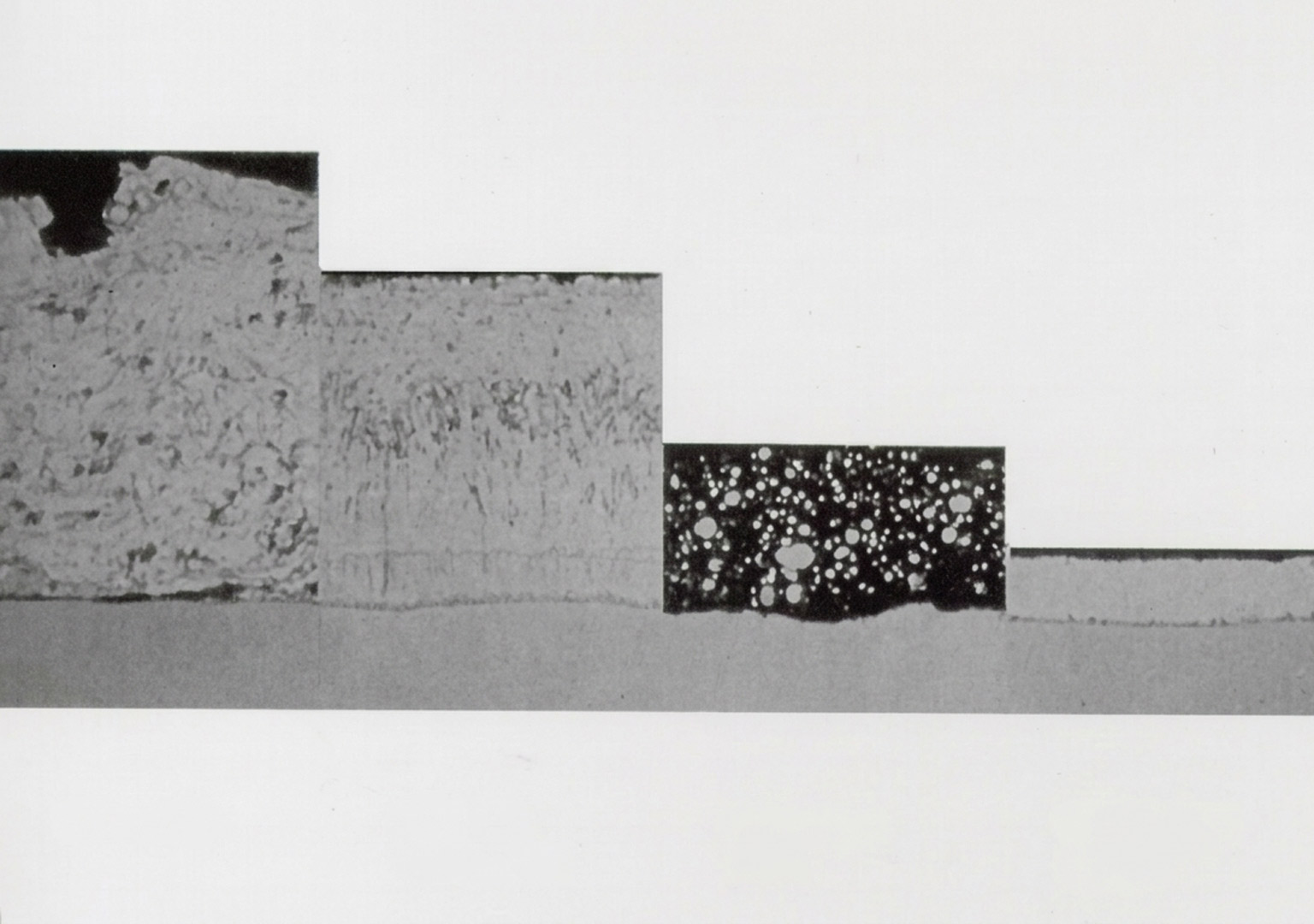
Zinc coatings are widely used to protect steel from corrosion in atmospheric, industrial, marine, and infrastructure applications. While multiple zinc based systems exist, each method provides protection through similar electrochemical principles. Understanding how zinc coatings function, how they are applied, and how they perform under different exposure conditions is essential for engineers, architects, and contractors specifying corrosion protection systems.
The Galvanize It article on zinc coatings provides foundational background. Expanding on that overview, this article examines the science of zinc corrosion protection, compares common zinc coating systems, evaluates thickness and durability relationships, and outlines specification considerations for long term performance.
Why Zinc Protects Steel
Zinc protects steel through two primary mechanisms:
Barrier Protection
The zinc layer physically separates steel from oxygen and moisture.
Cathodic Protection
Zinc is anodic to steel in the galvanic series. If the coating is scratched, zinc corrodes preferentially, protecting exposed steel from rust.
This sacrificial behavior is a key advantage of zinc based coatings. Even when locally damaged, zinc continues to provide corrosion protection.
As zinc corrodes, it forms stable corrosion products such as zinc carbonate, which slow further degradation and create a protective patina.
Major Types of Zinc Coatings
Several zinc coating systems are used in practice. The most common include:
Hot Dip Galvanizing
Steel is immersed in molten zinc, forming metallurgically bonded alloy layers. Coating thickness is relatively heavy and highly durable.
Continuous Sheet Galvanizing
Steel sheet is galvanized during rolling operations. Coating thickness is lighter than structural galvanizing.
Electrogalvanizing
Zinc is applied through electrochemical deposition. Coatings are thin and typically used for indoor or mild environments.
Zinc Rich Paint
Organic coatings containing high zinc dust content provide cathodic protection when properly applied.
Thermal Spray Zinc
Molten zinc is sprayed onto prepared steel surfaces, forming a mechanically bonded coating.
Each system varies in thickness, bond strength, and expected service life.
Thickness and Service Life Relationship
Zinc coating performance is strongly correlated with thickness.
In atmospheric environments, service life can be estimated by dividing coating thickness by annual corrosion rate for the exposure classification.
Thicker coatings provide:
- Longer time to first maintenance
- Greater tolerance to mechanical damage
- Extended durability in aggressive environments
Hot dip galvanizing typically provides the greatest coating thickness among zinc systems, contributing to its long service life in infrastructure applications.
Environmental Exposure Considerations
Zinc corrosion rates depend on:
- Humidity
- Time of wetness
- Chloride deposition
- Sulfur dioxide concentration
- Temperature
Environmental classification systems such as ISO categories provide guidance on expected corrosion rates.
In low corrosivity environments, zinc coatings may last decades with minimal maintenance. In aggressive marine or industrial settings, thicker coatings or duplex systems may be appropriate.
Comparison of Zinc Coating Systems
When selecting a zinc coating system, engineers should evaluate:
Bond Type
Hot dip galvanizing forms metallurgical alloy layers. Electroplated and painted systems rely primarily on adhesion.
Thickness
Hot dip galvanizing provides significantly thicker coatings compared to electrogalvanizing.
Durability
Thicker coatings typically offer longer service life under identical exposure conditions.
Repairability
Zinc rich paints and thermal spray zinc are commonly used for repair or touch up.
Application Geometry
Immersion galvanizing coats internal cavities and complex shapes uniformly.
Lifecycle cost modeling often favors heavier coatings for long term infrastructure.
Duplex Systems
A duplex system combines hot dip galvanizing with a paint topcoat.
Benefits include:
- Increased service life beyond either system alone
- Enhanced aesthetic options
- Improved performance in aggressive environments
The combined system provides synergistic corrosion protection.
Inspection and Specification Alignment
Coating acceptance is typically based on:
- Minimum thickness requirements
- Coating continuity
- Visual inspection for defects
ASTM standards such as ASTM A123 govern hot dip galvanizing thickness requirements for fabricated steel.
Specifications should clearly define:
- Applicable zinc coating system
- Minimum thickness
- Repair procedures
- Environmental exposure classification
Selecting the appropriate system requires alignment between durability goals and environmental exposure conditions.
Zinc coatings protect steel through barrier and sacrificial mechanisms. Multiple zinc based systems exist, each with distinct thickness ranges, bonding characteristics, and performance profiles. Thickness remains the dominant variable influencing service life in atmospheric exposure. Proper specification, inspection, and environmental evaluation ensure that the selected zinc coating delivers predictable long term corrosion protection.
If you would like to discuss zinc coating selection or lifecycle modeling for your application, please contact us through our contact page.
Frequently Asked Questions About Zinc Coatings
How do zinc coatings protect steel from corrosion?
Zinc coatings protect steel through both barrier and cathodic mechanisms. The coating isolates steel from moisture and oxygen while also acting sacrificially if damaged. When zinc corrodes, it forms stable corrosion products that further slow degradation.
What is the difference between hot dip galvanizing and electrogalvanizing?
Hot dip galvanizing involves immersing steel in molten zinc, forming metallurgically bonded alloy layers with substantial thickness. Electrogalvanizing deposits a thinner zinc layer through electrochemical processes. As a result, hot dip galvanizing generally provides significantly longer service life in outdoor environments.
Does coating thickness directly determine service life?
In most atmospheric environments, yes. Service life is approximately proportional to zinc thickness. Doubling the coating thickness roughly doubles the expected time to first maintenance, assuming similar environmental exposure.
Are zinc rich paints equivalent to hot dip galvanizing?
Zinc rich paints provide sacrificial protection when properly applied, but they typically offer thinner coatings and depend on surface preparation and application quality. Hot dip galvanizing forms metallurgical alloy layers and generally provides more robust, long term durability.
What is a duplex system and why is it used?
A duplex system combines galvanizing with a paint topcoat. The zinc layer provides sacrificial protection, while the paint layer provides barrier protection and aesthetic control. The combined system can significantly extend service life compared to either system alone.
How do environmental conditions affect zinc performance?
Zinc corrodes faster in environments with high humidity, chloride exposure, or industrial pollutants. Environmental classification systems help estimate corrosion rate and guide coating thickness selection.
Can zinc coatings be used in marine environments?
Yes. Zinc coatings are commonly used in marine environments. However, higher corrosion rates may require thicker coatings or duplex systems for extended durability.
How is zinc coating thickness measured?
Thickness is typically measured using magnetic gauges calibrated for zinc coatings. ASTM standards define minimum thickness requirements based on steel thickness categories.
Do zinc coatings protect cut edges and scratches?
Yes. Because zinc is anodic to steel, it corrodes preferentially and provides cathodic protection at exposed areas, reducing the risk of localized rust formation.
