
The Dual Challenge of Welding in Galvanizing Operations
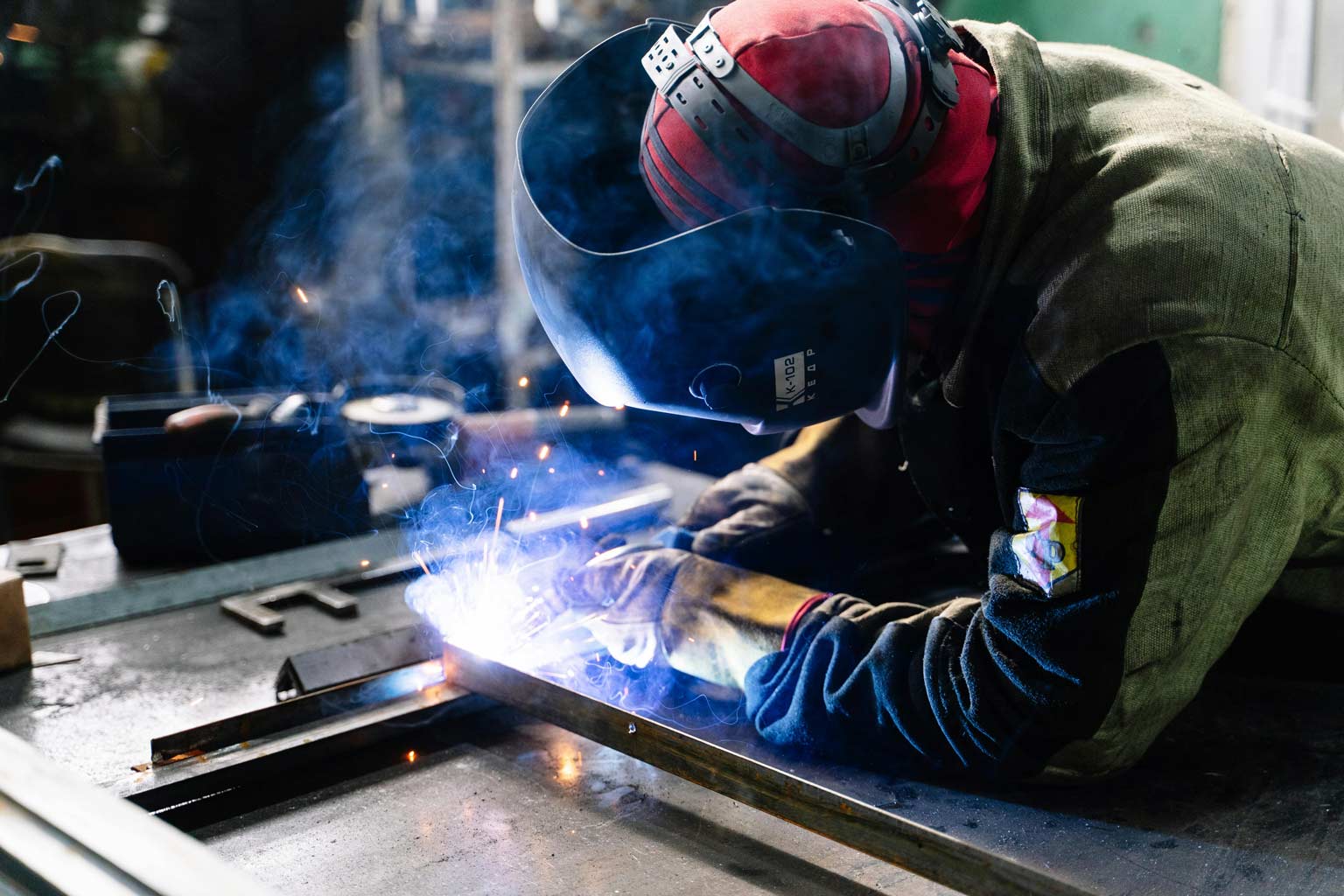
Welding operations intersect with hot-dip galvanizing processes in three distinct but interrelated contexts: galvanizing kettle repair welding performed directly in or adjacent to molten zinc environments, fabrication of fixtures, racks, and baskets experiencing continuous or repeated molten zinc immersion during production operations, and pre-galvanizing fabrication welding on steel articles subsequently immersed in the zinc bath for coating. Each application presents unique technical challenges requiring careful welding consumable selection, yet a common electrochemical principle—silicon content in weld metal composition—governs both molten zinc corrosion resistance and galvanizing coating reactivity, enabling unified electrode specification strategies addressing multiple performance requirements simultaneously.
Inappropriate electrode selection produces catastrophic consequences: kettle repairs and fixture welds attacked by molten zinc fail within weeks necessitating expensive re-work and operational disruptions, while reactive weld metals on pre-galvanized fabrications develop excessively thick, rough, dull coatings creating aesthetic and functional concerns. Understanding the metallurgical mechanisms driving these phenomena, the comprehensive 2017 American Galvanizers Association research quantifying electrode performance in molten zinc exposure, and the systematic electrode selection methodology balancing corrosion resistance with coating appearance enables optimal welding consumable specification for galvanizing-related applications.
Application Context: Three Distinct Welding Scenarios
Application 1: Galvanizing Kettle Repair
Environment:
Galvanizing kettles fabricated from low-carbon steel (ASTM A36, A572, or similar) contain molten zinc at 820-860°F (438-460°C) continuously during production:
- Kettle dimensions: 7-10 feet wide × 10-25 feet long × 5-8 feet deep typical
- Zinc bath mass: 100,000-300,000 pounds
- Operating temperature: 820-860°F continuous
- Service life: 15-25+ years with proper maintenance
Repair Requirements:
Kettles develop defects requiring welding repair:
Cracks:
- Thermal stress cracks from temperature cycling
- Mechanical stress concentrations at corners or attachments
- Weld joint failures from original fabrication
Holes and Leaks:
- Through-wall corrosion from internal zinc attack or external atmospheric corrosion
- Mechanical damage from dropped articles or equipment contact
- Weld joint penetration failures
Attachment Additions:
- Mounting brackets for temperature sensors
- Support brackets for bus bars or equipment
- Reinforcement plates for structural repairs
Repair Conditions:
In-Service Repairs:
- Kettle partially drained but retaining molten zinc
- Repair area at or near zinc surface temperature (>800°F)
- Weld metal immediately contacts molten zinc after completion
Drained Kettle Repairs:
- Kettle completely drained and cooled
- Weld metal experiences molten zinc contact upon refilling and heating
Performance Requirement:
Repair welds must resist rapid molten zinc corrosion attack providing service life measured in years rather than weeks or months.
Application 2: Fixtures, Racks, and Baskets
Equipment Description:
Galvanizing operations use specialized handling equipment repeatedly immersed in molten zinc:
Overhead Fixtures:
- Support structures suspending articles during zinc bath immersion
- Constructed from structural shapes, plate, and rod
- Sizes range from small hangers (50-200 lbs) to massive fixtures (5,000-20,000 lbs)
Production Racks:
- Frameworks holding multiple small articles during batch galvanizing
- Wire mesh or bar construction
- Continuous zinc bath exposure
Baskets:
- Container-like structures for small parts (fasteners, hardware)
- Perforated plate or expanded metal construction
- Drain holes enabling zinc drainage
Operating Conditions:
Immersion Frequency:
- Small fixtures: 10-50+ cycles per day
- Large structural fixtures: 1-10 cycles per day
- Continuous exposure during each immersion: 5-30 minutes typical
Cumulative Exposure:
- Hours to hundreds of hours total molten zinc contact over service life
- Thermal cycling from ambient to 840°F and back
Repair and Fabrication:
Fixtures require periodic repair and new fabrication:
- Attachment point reinforcement
- Crack repair from thermal/mechanical stress
- Configuration modifications
- New fixture construction
Performance Requirement:
Welds must provide equivalent molten zinc corrosion resistance to base metal, achieving fixture service life of 1-5+ years depending on design and usage intensity.
Application 3: Pre-Galvanizing Fabrication
Context:
Steel fabrications welded before hot-dip galvanizing:
- Structural assemblies (beams, columns, trusses)
- Platforms, walkways, stairways
- Equipment frames and supports
- Architectural elements
- Piping systems and process equipment
Single Galvanizing Exposure:
Unlike kettles and fixtures experiencing continuous molten zinc contact, pre-galvanized fabrications undergo single bath immersion:
- Duration: 3-12 minutes typical
- Temperature: 820-860°F
- Single thermal cycle from ambient to bath temperature and back
Performance Requirements:
Structural Integrity: Welds must meet AWS D1.1 or other applicable structural welding codes ensuring adequate strength, ductility, and soundness.
Coating Quality:
- Weld areas should galvanize acceptably without excessive defects
- Coating thickness over welds should approximate base metal coating thickness
- Appearance uniformity across weld and base metal regions desired
Challenge:
Many common welding electrodes contain silicon levels (0.4-0.8% Si) producing hyper-reactive weld metal that develops extremely thick, rough, dull gray coatings contrasting dramatically with surrounding bright, smooth base metal coating—creating aesthetic concerns and potential functionality issues.
Molten Zinc Attack Mechanism on Steel and Welds
Understanding why certain electrode compositions resist molten zinc corrosion while others fail rapidly requires examining zinc-iron interaction metallurgy:
Liquid Metal Embrittlement vs. Dissolution
Two Distinct Phenomena:
Steel in contact with molten zinc experiences:
1. Liquid Metal Embrittlement (LME):
- Occurs during welding or heating in presence of zinc
- Zinc penetrates grain boundaries causing catastrophic cracking
- Relevant to welding on galvanized steel (not discussed here)
2. Dissolution and Corrosion:
- Steel immersed in molten zinc corrodes through dissolution
- Iron atoms leave steel lattice, entering zinc bath
- Continuous process during prolonged exposure
- Relevant to kettle repair and fixture applications
Iron Dissolution in Molten Zinc
Chemical Process:
Steel (primarily iron with minor alloying elements) immersed in molten zinc (820-860°F):
Fe (solid steel) → Fe (dissolved in liquid zinc)
Driving Forces:
Iron Solubility: Iron dissolves in molten zinc to equilibrium concentration:
- At 450°C (842°F): ~0.03-0.04% iron solubility in zinc
- At 480°C (896°F): ~0.06% iron solubility
Concentration Gradient: Fresh zinc bath contains minimal dissolved iron. Contact with steel creates concentration gradient driving iron dissolution from steel surface into bulk zinc.
Intermetallic Formation:
Dissolved iron reacts with zinc forming zinc-iron intermetallic compounds:
- Gamma (Γ) phase: Fe₃Zn₁₀
- Delta (δ) phase: FeZn₇
- Zeta (ζ) phase: FeZn₁₃
- Eta (η) phase: Pure zinc
These intermetallics form coating layers on galvanized articles but also form as dross (floating particles) in zinc bath and as hard iron-rich bottom dross accumulating in kettle.
Corrosion Rate Variables
Steel corrosion rate in molten zinc depends on:
Temperature: Higher temperatures increase:
- Iron solubility in zinc
- Diffusion rates
- Reaction kinetics
Result: Corrosion rate approximately doubles for each 20-30°F temperature increase
Zinc Bath Chemistry:
- Aluminum additions (0.005-0.02%) form protective aluminum-iron intermetallic reducing corrosion
- Lead additions (0.5-1.5%) historically used but environmental concerns limit current use
- Iron saturation in bath affects dissolution driving force
Steel Composition:
Critical factor for weld metal selection—silicon content dramatically affects corrosion rate:
Low Silicon (<0.25% Si):
- Normal corrosion rate: 0.1-0.3 mils per hour of immersion typical
- Protective gamma/delta intermetallic layers form
- Sustainable for long-term exposure
High Silicon (>0.25% Si):
- Accelerated corrosion rate: 0.5-2.0+ mils per hour
- Reactive formation of thick, non-protective intermetallic layers
- Rapid metal consumption
Mechanism: Silicon in steel alloys with iron forming iron-silicides. During zinc immersion, these silicides disrupt normal protective intermetallic layer formation, enabling accelerated iron dissolution into zinc bath.
Fluid Motion:
Stirring, agitation, or flow past steel surface:
- Removes saturated zinc boundary layer at surface
- Brings fresh unsaturated zinc to surface
- Increases corrosion rate 2-5× compared to stagnant conditions
Galvanizing Operations:
- Article movement during immersion and withdrawal
- Thermal convection currents in zinc bath
- Creates moderate agitation affecting corrosion rates
The Silicon Content Dilemma
Silicon in welding electrode composition serves multiple metallurgical functions creating performance tradeoffs:
Silicon's Beneficial Roles in Welding
Deoxidation:
Silicon acts as powerful deoxidizer during arc welding:
- Arc welding occurs in oxidizing atmosphere (air exposure)
- Molten weld pool absorbs oxygen and nitrogen from atmosphere
- Oxygen forms iron oxide inclusions degrading mechanical properties
- Silicon reacts with dissolved oxygen: Si + 2O → SiO₂
- Silicon dioxide (silica) floats to weld surface as slag
- Clean weld metal with reduced porosity and inclusions
Arc Stability:
Silicon-bearing flux coverings (in SMAW electrodes) or flux-cored wire compositions improve:
- Arc initiation and maintenance
- Smooth metal transfer across arc
- Reduced spatter
- Consistent welding characteristics
Fluidity and Penetration:
Silicon increases molten weld metal fluidity:
- Better weld pool flow and fusion
- Improved penetration into base metal
- Smoother weld bead profiles
Strength:
Silicon in solid solution strengthens ferrite (iron) phase:
- Solid solution strengthening mechanism
- Increased yield and tensile strength
Silicon's Detrimental Effects
Molten Zinc Attack:
As discussed, silicon content >0.25% dramatically accelerates steel corrosion in molten zinc through:
- Disruption of protective intermetallic layer formation
- Enhanced iron dissolution rates
- Rapid weld metal consumption
Galvanizing Coating Reactivity:
Silicon in weld metal creates hyper-reactive surface during galvanizing:
Sandelin Effect: Steel with silicon content 0.04-0.25% demonstrates dramatically increased zinc-iron reaction rate during galvanizing compared to very low silicon steel (<0.04%) or high silicon steel (>0.25%).
Result on Welds: Weld metal with 0.4-0.8% silicon (common in general-purpose electrodes) develops:
- Coating thickness 2-5× greater than base metal
- Rough, crystalline surface texture
- Dull gray appearance (thick intermetallic layers)
- Brittle coating potentially spalling or cracking
Historical AGA Electrode Evaluation Studies
Original Study (Late 1990s)
Methodology:
American Galvanizers Association evaluated various welding electrodes for molten zinc resistance:
- Test coupons welded using different electrode types
- Samples immersed in operating galvanizing kettle (molten zinc at 840-850°F)
- Periodic removal and weighing measuring metal loss
- Duration: Several months exposure
Results:
Established list of six recommended electrode types demonstrating acceptable molten zinc corrosion resistance.
Challenge:
Many recommended electrodes discontinued by manufacturers over 20+ years due to:
- Market consolidation
- Product line rationalization
- Changing welding technology (flux-cored wires gaining market share)
- AWS specification revisions
Galvanizers found difficulty sourcing recommended electrodes, necessitating updated evaluation.
2017 AGA Comprehensive Electrode Study
Recognizing obsolete electrode availability, AGA conducted comprehensive updated study in 2017:
Study Design
Collaboration:
Partnership with Lincoln Electric (major welding consumable manufacturer) enabling testing of current production electrodes across multiple welding processes.
Scope Expansion:
Unlike original study limited to SMAW (stick) electrodes, 2017 study evaluated:
- SMAW: Shielded Metal Arc Welding (stick electrodes)
- FCAW: Flux-Cored Arc Welding (tubular wire with internal flux)
- SAW: Submerged Arc Welding (solid wire with granular flux blanket)
Welding Process Rationale:
SMAW:
- Most common for field repairs and small fabrication
- Portable, versatile, simple equipment
- Suitable for all-position welding
- Widely used for kettle repairs and fixture fabrication
FCAW:
- Higher deposition rates than SMAW
- Semi-automatic process (continuous wire feed)
- Good for production fabrication
- Increasing use in structural fabrication shops
SAW:
- Highest deposition rates
- Automatic or semi-automatic process
- Excellent for straight-line welds (kettle seams, heavy plate)
- Deep penetration, high-quality welds
- Limited to flat or horizontal positions
Test Methodology
Sample Preparation:
Base Metal: Low-carbon structural steel plates (ASTM A36 or similar)
Welding: Test coupons welded using each candidate electrode per manufacturer specifications:
- Proper amperage, voltage, travel speed
- Sound welds meeting AWS D1.1 visual acceptance criteria
- Weld bead geometry representative of typical applications
Sample Dimensions: Coupons sized for handling and weighing (approximately 2-4 inch squares)
Exposure Testing:
Immersion: Welded coupons suspended in operating commercial galvanizing kettle:
- Zinc bath temperature: 840-855°F typical
- Bath chemistry: Standard production bath (aluminum content 0.005-0.015%)
- Positioning: Samples suspended at mid-bath depth experiencing typical fluid motion
Control Sample: Unwelded base metal coupon included measuring baseline corrosion rate
Duration and Intervals:
Samples removed at staggered intervals:
- 1 month: Initial screening for catastrophic failure
- 3 months: Intermediate assessment
- 6 months: Final long-term evaluation
Not all samples survived full 6 months—some consumed or severely damaged by earlier intervals.
Measurement:
Weight Loss: Primary metric for corrosion assessment:
- Initial weight before immersion
- Final weight after immersion, cleaning, and drying
- Weight loss calculated
- Corrosion rate derived (mils per month or per hour)
Visual Inspection: Photographs documenting:
- Weld appearance and integrity
- Severity of attack
- Failure modes (if applicable)
Key Findings
Silicon Content Correlation:
Critical Threshold:
Electrodes with silicon content <0.25% demonstrated acceptable performance:
- Weight loss similar to unwelded base metal control
- Sustainable corrosion rates for multi-year service
- Weld metal retained structural integrity
Unacceptable Performance:
Electrodes with silicon content >0.25% showed:
- Accelerated weight loss (2-10× base metal rate)
- Severe preferential attack on weld metal
- Rapid consumption rendering welds non-functional
Sandelin Curve Limitation:
Important Discovery:
The Sandelin Curve—well-established relationship predicting coating thickness reactivity for steel with varying silicon content during galvanizing—does NOT reliably predict molten zinc corrosion resistance during prolonged immersion.
Sandelin Curve Summary:
- Very low Si (<0.04%): Thin coating, normal reactivity
- Low-medium Si (0.04-0.13%): Reactive, thick coating (Sandelin range)
- Medium Si (0.13-0.25%): Reduced reactivity, moderate coating
- High Si (>0.25%): Non-reactive, thin coating again
Molten Zinc Corrosion Pattern:
- Low Si (<0.25%): Acceptable corrosion resistance
- High Si (>0.25%): Unacceptable rapid corrosion
Implication: Silicon effects differ between brief single-immersion galvanizing exposure (3-10 minutes) versus prolonged continuous molten zinc contact (hours to thousands of hours). The protective oxide and intermetallic mechanisms operate differently in these distinct exposure scenarios.
Recommended Electrodes: 2017 Study Results
The 2017 AGA study established updated recommendations across three welding processes:
SMAW (Shielded Metal Arc Welding) - Stick Electrodes
Recommended Products:
1. Lincoln Jetweld 2
- AWS Classification: E6027
- Silicon Content: 0.22-0.26%
- Characteristics:
- Iron powder electrode (high deposition rate)
- AC or DC+ (electrode positive) polarity
- Good penetration and mechanical properties
- All-position capability
- Fast-freeze slag system
2. Lincoln Fleetweld 35 LS
- AWS Classification: E6011
- Silicon Content: 0.10-0.18%
- Characteristics:
- Cellulosic sodium electrode
- AC or DC+ polarity
- Deep penetrating characteristics
- All-position welding
- Light slag removal
- "LS" suffix = Low Silicon formulation specifically developed for galvanizing applications
Application Notes:
E6011 Advantage:
- Most versatile all-position electrode
- Excellent for field repair (penetrates through mill scale, rust)
- Widely available
- Lower silicon content (0.10-0.18%) provides optimal molten zinc resistance
E6027 Advantage:
- Higher deposition rate for production applications
- Smooth weld appearance
- Good for downhand (flat and horizontal) positions
Procurement: Both electrodes readily available from welding supply distributors. When specifying, ensure "LS" (Low Silicon) designation for Fleetweld 35 LS or verify silicon content <0.25%.
SAW (Submerged Arc Welding)
Recommended Product:
Lincoln L60-860
- AWS Classification: F6A2-EL12
- Silicon Content: 0.24%
- Characteristics:
- Solid wire electrode for SAW process
- Used with compatible granular flux (typically neutral or basic flux types)
- High deposition rate (10-40 lbs/hour depending on parameters)
- Excellent weld quality and mechanical properties
- Designed for structural steel welding
Application Notes:
SAW Advantages for Kettle Repair:
- Rapid weld deposition for large seam repairs
- Deep penetration for thick plate
- High-quality welds with minimal defects
- Automated or semi-automated process reduces labor
SAW Limitations:
- Requires positioning work flat or horizontal
- Heavy equipment less suitable for field repairs
- Best for shop repairs on removed kettle sections or new fixture fabrication
Flux Compatibility: Must be paired with appropriate SAW flux per manufacturer recommendations. Flux selection affects weld chemistry—consult Lincoln Electric data sheets ensuring silicon pickup remains <0.25% total in weld deposit.
FCAW (Flux-Cored Arc Welding)
Recommended Products:
1. Lincoln NR-203 NiC+
- AWS Classification: E71T8-K2
- Silicon Content: 0.06%
- Status: Lost prior to fabrication in study
- Note: Recommended based on composition but requires user testing before production application
- Characteristics:
- Self-shielded flux-cored wire (no external shielding gas required)
- All-position capability
- Contains nickel increasing toughness and low-temperature performance
2. Lincoln NR 203 MP
- AWS Classification: E71T-8J
- Silicon Content: 0.22-0.26%
- Characteristics:
- Self-shielded flux-cored wire
- All-position welding
- Good impact properties
- Excellent for structural applications
3. Lincoln NR 233
- AWS Classification: E71T-8
- Silicon Content: 0.19-0.20%
- Characteristics:
- Self-shielded flux-cored wire
- All-position capability
- High deposition rate
- Good mechanical properties
4. Lincoln NR 311
- AWS Classification: E70T-7
- Silicon Content: 0.12-0.13%
- Characteristics:
- Gas-shielded flux-cored wire (requires CO₂ shielding gas)
- High deposition rate
- Smooth arc and low spatter
- Primarily flat and horizontal positions
Application Notes:
FCAW Advantages:
- Higher deposition rates than SMAW (3-8 lbs/hour typical)
- Semi-automatic continuous wire feed
- Good for production fixture fabrication and repair
- Less operator skill required than SMAW for consistent results
Self-Shielded vs. Gas-Shielded:
Self-Shielded (NR 203, NR 233):
- No external shielding gas required (flux generates protective gas)
- Excellent for outdoor/field welding (wind doesn't blow away protection)
- More spatter than gas-shielded
- Suitable for all-position welding
Gas-Shielded (NR 311):
- Requires CO₂ cylinder and regulator
- Cleaner welds, less spatter
- Better for shop environment
- More sensitive to drafts/wind
Pre-Galvanizing Fabrication Application
Beyond kettle repairs and fixtures, Table 1 electrodes prove valuable for pre-galvanizing fabrication addressing coating appearance concerns:
The Reactive Weld Problem
Common Industry Practice:
Most fabrication shops use general-purpose AWS E7018 (SMAW) or E71T-1 (FCAW) electrodes for structural welding:
- Excellent mechanical properties
- Good all-around weldability
- Widely available and economical
- Meet AWS D1.1 Structural Welding Code requirements
Typical Silicon Content: E7018: 0.50-0.75% Si E71T-1: 0.40-0.60% Si
Galvanizing Result:
These electrodes' moderate-high silicon content creates hyper-reactive weld metal:
Coating Characteristics:
- Thickness: 8-15 mils over weld vs. 3-6 mils on base metal
- Appearance: Dull gray, rough crystalline surface vs. bright smooth base metal
- Texture: Pronounced surface roughness from thick intermetallic layers
- Spalling Risk: Extremely thick brittle coatings may crack or spall during cooling or service
Visual Impact:
Fabrications show dramatic contrast:
- Bright, silvery base metal surfaces
- Dark gray, dull weld seams standing out prominently
- Unacceptable aesthetic outcome for architecturally exposed applications
- Customer rejection potential
Low-Silicon Electrode Solution
Strategy:
Specify Table 1 low-silicon electrodes (<0.25% Si) for pre-galvanizing fabrication welding:
Coating Behavior:
Low-silicon weld metal demonstrates:
- Reduced Reactivity: Silicon content below Sandelin range or approaching non-reactive threshold
- Coating Thickness: 4-7 mils typical, much closer to base metal thickness
- Appearance: Brighter, smoother appearance better matching base metal
- Texture: Normal galvanizing surface texture without excessive roughness
Result:
Significantly improved appearance uniformity between weld and base metal regions.
Mechanical Property Considerations
Strength Comparison:
E7018 (High Silicon, General Purpose):
- Minimum Tensile Strength: 70 ksi
- Minimum Yield Strength: 58 ksi
- Typical CVN Impact: 20+ ft-lbs at -20°F
E6011 (Low Silicon, Galvanizing-Suitable):
- Minimum Tensile Strength: 60 ksi
- Minimum Yield Strength: 50 ksi
- Impact toughness: Good but typically lower than E7018
Structural Adequacy:
For most structural steel applications using A36 (36 ksi yield) or A572 Grade 50 (50 ksi yield) base metal:
E6011 Electrodes Provide Adequate Strength:
- Weld metal yield (50 ksi) matches or exceeds A36 base metal (36 ksi)
- Weld metal yield (50 ksi) matches A572 Gr50 (50 ksi)
- Overmatching still present for most applications
When Higher Strength Required:
For high-strength applications requiring 70+ ksi weld metal:
- E7018 or similar high-strength electrodes may be necessary
- Accept appearance consequences
- Consider post-galvanizing grinding and touch-up with zinc-rich paint
- Evaluate duplex system (paint over galvanizing) eliminating appearance concerns
AWS D1.1 Compliance:
Both E7018 and E6011 are prequalified electrodes under AWS D1.1 Structural Welding Code. When properly applied per code requirements (joint design, procedure qualification if needed, qualified welders), both meet structural welding standards.
Sandelin Curve Revisited: Why It Doesn't Predict Molten Zinc Attack
The 2017 study's finding that Sandelin Curve doesn't predict molten zinc corrosion resistance warrants explanation:
Sandelin Curve Mechanism
Galvanizing Process (Brief Immersion):
During standard galvanizing (3-10 minutes at 840-860°F):
Steel with 0.04-0.13% Si:
- Silicon enhances zinc-iron diffusion at interface
- Rapid formation of thick gamma (Fe₃Zn₁₀) intermetallic layer
- Continued growth of delta and zeta layers
- Result: Very thick coating (8-15+ mils) with rough, dull gray appearance
Steel with <0.04% Si or >0.25% Si:
- Normal or reduced zinc-iron reaction kinetics
- Thinner, more controlled intermetallic layer formation
- Result: Normal coating thickness (3-6 mils) with smoother, brighter appearance
Time Scale: Reactivity differences manifest within minutes during galvanizing immersion cycle.
Molten Zinc Corrosion (Prolonged Immersion)
Extended Exposure (Hours to Thousands of Hours):
High Silicon Steel/Weld Metal (>0.25% Si):
Problem Mechanism:
- Silicon-iron phases (silicides) disrupt formation of protective gamma intermetallic layer
- Without protective intermetallic barrier, iron dissolution into molten zinc proceeds rapidly
- Continuous consumption of steel/weld metal
- Non-sustainable corrosion rate
Low Silicon Steel/Weld Metal (<0.25% Si):
Protective Mechanism:
- Normal gamma/delta intermetallic layers form at steel-zinc interface
- These layers provide partial diffusion barrier
- Iron dissolution proceeds at sustainable slow rate
- Corrosion rate stabilizes allowing long service life
Critical Difference:
Brief Galvanizing: Silicon enhances rapid coating formation (Sandelin effect)
Prolonged Immersion: Silicon prevents protective intermetallic layer stability causing rapid corrosion
Different dominant mechanisms operating at different time scales and temperatures.
Procurement and Specification Guidance
Electrode Ordering
Specify Explicitly:
Purchase orders should state: "Welding electrodes shall be low-silicon composition with silicon content not exceeding 0.25% per AGA recommendations for molten zinc resistance."
List Specific Products: Reference Table 1 electrode designations:
- Lincoln Fleetweld 35 LS (E6011)
- Lincoln Jetweld 2 (E6027)
- Lincoln NR 233 (E71T-8)
Verify Silicon Content:
Request manufacturer data sheets confirming composition meets <0.25% Si requirement.
Substitution Criteria
If specified electrodes unavailable, acceptable substitutes must meet:
Composition:
- Silicon content <0.25% verified by manufacturer data
- Low-carbon steel weld deposit
- Compatible AWS classification
Mechanical Properties:
- Minimum 60 ksi tensile strength (E60XX classifications)
- Adequate ductility and toughness for application
Welding Characteristics:
- Suitable for required positions (all-position for repair work)
- Compatible with available equipment and power source
Alternative Manufacturers
While 2017 AGA study specifically evaluated Lincoln Electric products, other manufacturers produce low-silicon electrodes:
ESAB:
- Sureweld 6011 (low silicon version)
- OK 48.08 (E7018, verify silicon content - some formulations <0.25%)
Hobart:
- 6011 DCEP (verify low-silicon formulation)
Miller:
- Various low-silicon FCAW wires
Critical: Always verify actual silicon content via manufacturer data sheet rather than assuming AWS classification alone ensures suitability.
Welding Procedure Considerations
Joint Design
Kettle Repair Welding:
Crack Repair:
- Grind crack to clean metal
- V-groove preparation for through-thickness cracks
- Drill hole at crack terminus preventing propagation
Hole/Leak Repair:
- Prepare edges for complete penetration
- Consider back-gouging for thick sections
- Backing plates may be necessary
Design Principle: Full-penetration welds maximize structural integrity and minimize crevices where zinc can accumulate and cause preferential corrosion.
Pre-Galvanizing Fabrication
Standard Structural Details:
- Follow AWS D1.1 joint design requirements
- Complete penetration welds for full-strength connections
- Fillet welds sized per engineering requirements
Galvanizing Considerations:
- Avoid skip welds or intermittent welds creating crevices for zinc trapping
- Seal-weld corners and joints preventing internal zinc entrapment and drainage problems
- Design continuous welds facilitating zinc flow and drainage
Welding Parameters
Follow Manufacturer Recommendations:
Each electrode type has specified:
- Current range (amperage)
- Polarity (AC, DC+, DC-)
- Travel speed
- Electrode angle
- Recommended positions
Critical for Performance:
Proper parameters ensure:
- Adequate silicon deoxidation during welding
- Sound weld metal free from porosity
- Good fusion to base metal
- Optimal mechanical properties
Under-Welding (Insufficient Heat Input):
- Incomplete fusion
- Slag inclusions
- Porosity
- Weakened weld
Over-Welding (Excessive Heat Input):
- Burn-through on thin sections
- Excessive spatter
- Degraded mechanical properties from excessive grain growth
Economic Considerations
Electrode Cost Comparison
General-Purpose Electrodes:
- E7018 SMAW: $2.50-4.00 per pound
- E71T-1 FCAW: $3.00-5.00 per pound
Low-Silicon Galvanizing Electrodes:
- E6011 SMAW: $2.50-4.50 per pound
- Low-silicon FCAW: $3.50-6.00 per pound
Cost Differential:
Low-silicon electrodes represent $0.50-2.00/lb premium (10-40% increase)—minimal in context of total project costs.
Avoiding Repair Costs
Fixture/Kettle Repair Failure:
Using inappropriate high-silicon electrodes causes:
- Rapid weld failure (weeks to months)
- Re-work costs: $500-5,000+ depending on repair complexity
- Production downtime: $1,000-10,000 per day in lost capacity
- Increased fixture replacement frequency: $5,000-50,000 per major fixture
Cost Justification:
Modest electrode premium ($10-100 per typical repair) prevents catastrophic failure costs ($1,000-50,000+)—clear positive return on investment.
Pre-Galvanizing Appearance Issues
Customer Rejection:
Extremely reactive welds with poor appearance:
- Customer rejects fabrication on aesthetic grounds
- Grinding and zinc-rich paint touch-up: $500-5,000 labor
- Re-galvanizing (if coating removed by grinding): $1,000-20,000
- Project delays and relationship damage
Prevention Value:
Using low-silicon electrodes initially ($20-200 material premium for typical fabrication) prevents expensive rework and customer satisfaction issues.
Quality Control and Documentation
Electrode Verification
Receiving Inspection:
- Verify electrode packaging matches purchase order specification
- Check manufacturer data sheets confirm silicon content <0.25%
- Document electrode lot numbers for traceability
Storage:
- Maintain electrodes in dry, controlled environment per manufacturer recommendations
- E6011 and cellulosic electrodes: Less moisture-sensitive, can be stored ambient
- E7018 and low-hydrogen electrodes: Require heated storage (150-300°F) if used for comparison
Welding Process Documentation
Procedure Qualification:
For critical kettle repairs or large fixture fabrication:
- Develop written Welding Procedure Specification (WPS)
- Perform Procedure Qualification Record (PQR) per AWS codes
- Document all essential variables
Welder Qualification:
Ensure welders performing critical work:
- Current qualification per AWS D1.1 or applicable code
- Tested in positions and with processes they will use
- Performance qualification records on file
Inspection and Testing
Visual Inspection:
- All welds inspected for surface defects, proper size, acceptable appearance
- Document acceptance criteria and results
Non-Destructive Testing:
For critical structural applications:
- Ultrasonic testing for internal discontinuities
- Magnetic particle or liquid penetrant for surface cracks
- Radiographic testing for maximum quality assurance
Future Electrode Development
The welding consumable industry continues evolving:
Trends
Low-Silicon Formulations:
Increased recognition of galvanizing compatibility driving:
- More electrode types offered in low-silicon versions
- Manufacturer development focus on galvanizing market
- Improved availability and reduced cost premiums
Higher Strength Low-Silicon Options:
Metallurgical development enabling:
- 70+ ksi tensile strength with <0.25% silicon
- Alternative strengthening mechanisms (grain refinement, microalloying)
- Potential future electrodes providing both appearance and strength
Testing Protocol Standardization
Industry may develop:
- Standardized molten zinc exposure test method
- Third-party electrode certification for galvanizing suitability
- Published databases of verified electrode performance
Welding electrode silicon content below 0.25% provides critical dual performance benefits for galvanizing operations: exceptional molten zinc corrosion resistance enabling multi-year service life for galvanizing kettle repairs, fixtures, racks, and baskets experiencing continuous or repeated molten zinc immersion at 840-860°F, and significantly reduced coating reactivity on pre-galvanized fabrications producing near-normal coating thickness and improved appearance uniformity between weld and base metal regions. The comprehensive 2017 American Galvanizers Association study updating 1990s research evaluated modern SMAW, FCAW, and SAW electrode products through 1-month, 3-month, and 6-month molten zinc immersion testing, establishing recommended electrode list demonstrating weight loss similar to unwelded control samples including Lincoln Fleetweld 35 LS (E6011, 0.10-0.18% Si), Jetweld 2 (E6027, 0.22-0.26% Si), L60-860 SAW wire (F6A2-EL12, 0.24% Si), and various FCAW products (E71T-8 series, 0.06-0.26% Si). High-silicon electrodes exceeding 0.25% silicon content demonstrate catastrophic accelerated corrosion in prolonged molten zinc exposure consuming weld metal 2-10 times faster than base metal through disruption of protective gamma intermetallic layer formation, rendering welds non-functional within weeks or months despite adequate short-term mechanical properties. The Sandelin Curve—predicting coating thickness reactivity during brief galvanizing immersion based on steel silicon content—proves unreliable for predicting molten zinc corrosion resistance during extended exposure because different mechanisms dominate at different time scales: brief galvanizing exposure shows maximum reactivity in 0.04-0.13% Si range producing thick coatings through enhanced diffusion, while prolonged molten zinc immersion shows maximum corrosion above 0.25% Si where silicides prevent protective intermetallic stability. Pre-galvanizing fabrication using low-silicon electrodes substantially improves appearance outcomes compared to general-purpose E7018 or E71T-1 electrodes containing 0.4-0.8% silicon that develop extremely thick (8-15 mils), rough, dull gray coatings contrasting dramatically with bright base metal, though fabricators must verify E6011's 60 ksi tensile strength provides adequate design capacity or accept appearance consequences of higher-strength alternatives. Economic analysis supports low-silicon electrode specification despite 10-40% cost premium because modest per-repair material cost increases ($10-200 typical) prevent catastrophic weld failure costs ($1,000-50,000+ for fixture replacement, production downtime, and rework) and customer rejection issues ($500-20,000 for grinding, touch-up, or re-galvanizing). Procurement specifications should explicitly require silicon content verification below 0.25% through manufacturer data sheets, reference specific Table 1 products by name and AWS classification, and establish acceptance criteria based on composition rather than relying solely on AWS classifications that permit wide silicon ranges within single electrode designations. Go to the original AGA resource on Welding Electrodes Before Galvanizing to read more.
