

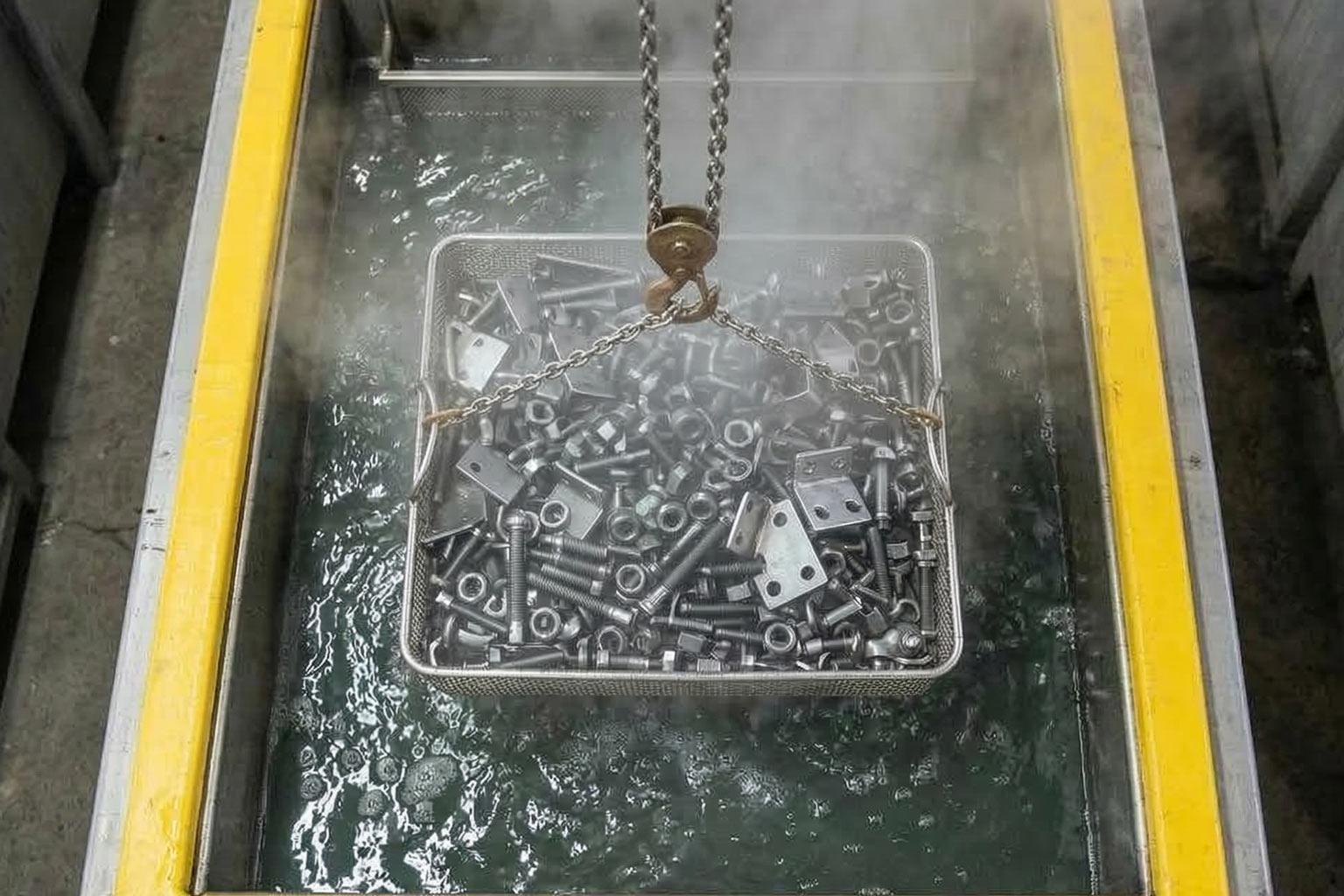
Surface preparation is the single most critical factor influencing coating adhesion, uniformity, and long term corrosion performance in hot dip galvanizing. Because galvanizing is a metallurgical reaction between molten zinc and iron, any surface contaminant that blocks direct contact will interfere with alloy layer formation.
The Galvanize It article on surface preparation prior to galvanizing provides foundational guidance on this topic. Building on their framework, this article examines the chemical stages of preparation, the role of fabrication practices, common contaminants that disrupt coating formation, and how proper preparation directly influences inspection outcomes.
Why Surface Preparation Is Critical
Hot dip galvanizing is not a coating that adheres mechanically like paint. Instead, molten zinc reacts with clean steel to form zinc iron alloy layers.
If contaminants remain on the surface, such as:
- Oil
- Grease
- Mill scale
- Weld slag
- Paint residues
- Silicone sealants
The zinc cannot bond in those areas. The result may be:
- Bare spots
- Coating discontinuities
- Irregular thickness
- Localized defects
Successful galvanizing begins with complete surface cleanliness.
The Chemical Preparation Sequence
At our facility, surface preparation follows a controlled, multi step process designed to remove contaminants and activate the steel surface before immersion.
Surface Preparation Assessment
We evaluate incoming steel to identify oils, coatings, weld condition, and fabrication details that may influence cleaning effectiveness.
Caustic Cleaning
An alkaline solution removes oil, grease, organic residues, and water based paint. This step eliminates contaminants that interfere with acid treatment but does not remove mill scale.
Rinse and Quality Check
Water rinsing removes alkaline residues and prepares steel for pickling.
Pickling Treatment
Hydrochloric acid dissolves mill scale, rust, and iron oxides, exposing clean iron required for metallurgical zinc bonding.
Secondary Rinse
Residual acid is removed to prevent contamination of the flux bath.
Flux Application
A zinc ammonium chloride solution prevents re oxidation prior to immersion and promotes uniform coating development.
Only after these preparation stages is steel immersed in molten zinc.
Each stage is necessary to achieve consistent coating formation.
Fabrication Practices That Affect Preparation
Chemical cleaning cannot compensate for poor fabrication practices.
Issues that frequently interfere with galvanizing include:
- Weld slag not removed
- Heavy weld spatter
- Silicone based sealants
- Oil based layout markers
- Excessive paint residues
- Tight crevices or overlapping joints
Weld slag, in particular, must be mechanically removed before galvanizing. Acid pickling does not dissolve slag.
Silicone contamination is especially problematic because it resists chemical removal and prevents zinc bonding.
Fabricators should ensure surfaces are clean and free of incompatible materials before delivery.
Mill Scale and Oxide Removal
Mill scale forms during hot rolling and adheres tightly to the steel surface. It must be chemically removed through pickling.
If mill scale remains:
- Zinc cannot react with the underlying steel
- Coating discontinuities may occur
- Bare areas may appear after galvanizing
Proper acid concentration, immersion time, and temperature control ensure effective oxide removal without damaging the base metal.
Surface Roughness and Coating Growth
Surface condition influences coating thickness.
Rougher steel surfaces may promote slightly heavier coating growth due to increased surface area and reactivity.
Conversely, smooth, clean surfaces tend to produce more uniform coatings.
However, roughness alone does not compensate for contamination.
Complete oxide removal remains the primary requirement.
Inspection and Acceptance
Although preparation occurs prior to galvanizing and is not directly visible afterward, its effectiveness is reflected in final inspection results.
Indicators of proper surface preparation include:
- Uniform coating coverage
- Absence of bare spots
- Consistent thickness measurements
- No adhesion failures
If bare areas are present, investigation typically traces back to surface contamination or fabrication defects.
Inspection should focus on measurable criteria such as coating thickness and continuity.
Preventing Surface Preparation Issues
Best practices for fabricators include:
- Removing weld slag completely
- Avoiding silicone based sealants
- Cleaning heavy oil deposits before shipment
- Designing joints to allow cleaning solution access
- Coordinating unusual coatings or contaminants with the galvanizer in advance
Early communication reduces the risk of coating defects.
If you have questions about fabrication compatibility, contaminant removal, or preparation requirements prior to galvanizing, please reach out via our contact page. We are available to review surface condition considerations before processing begins.
Surface preparation is foundational to successful hot dip galvanizing. The chemical cleaning sequence removes oils, mill scale, and oxides, allowing zinc to form metallurgical alloy layers with the steel substrate. Fabrication quality directly influences cleaning effectiveness, and contaminants such as weld slag or silicone can prevent proper coating formation. Coordinated preparation and inspection ensure coating continuity and long term corrosion protection.
Frequently Asked Questions About Surface Preparation Prior to Galvanizing
Why is surface preparation so important before galvanizing?
Galvanizing depends on direct metallurgical bonding between zinc and clean steel. Any contaminant that blocks contact, such as oil, mill scale, or weld slag, prevents proper alloy layer formation and can result in uncoated areas.
Does pickling remove all surface contaminants?
No. Pickling removes rust and mill scale but does not dissolve weld slag, heavy spatter, or silicone based materials. Mechanical cleaning during fabrication is required to remove these contaminants.
What happens if oil or grease remains on the steel?
Oil and grease interfere with chemical cleaning and prevent zinc from bonding to the steel surface. This can result in bare spots after galvanizing.
Can silicone sealants affect galvanizing?
Yes. Silicone contamination resists chemical removal and can create coating discontinuities. Silicone based products should not be used on steel intended for galvanizing.
Does surface roughness affect coating thickness?
Surface roughness can influence coating growth slightly, but proper oxide removal is far more critical than surface texture.
How can fabricators prevent preparation issues?
Fabricators should remove weld slag, avoid incompatible sealants, clean heavy residues, and coordinate unusual surface treatments with the galvanizer before delivery.
Is inspection able to detect preparation failures?
Yes. Bare spots or discontinuities visible after galvanizing often indicate inadequate surface preparation prior to immersion.
Can poor preparation reduce service life?
Yes. Areas where zinc cannot bond are susceptible to corrosion, reducing the overall durability of the component.
